


Understanding Knife Types

Chef’s Knife
Often considered the most versatile knife in the kitchen, a chef’s knife typically ranges from 8 to 10 inches in length. Its wide blade is ideal for chopping, slicing, and dicing various ingredients. Look for a well-balanced knife with a comfortable handle for maximum control.

Paring Knife
This small knife, usually 3 to 4 inches long, is perfect for intricate tasks like peeling fruits or deveining shrimp. The blade’s shape allows for precise cuts, making it an essential tool for any home chef.
Santoku Knife
Originating from Japan, the Santoku knife features a shorter blade, typically 5 to 7 inches long. It has a flat edge and aGranton edge, which prevents food from sticking. This knife excels at chopping vegetables and slicing fish.
Bread Knife
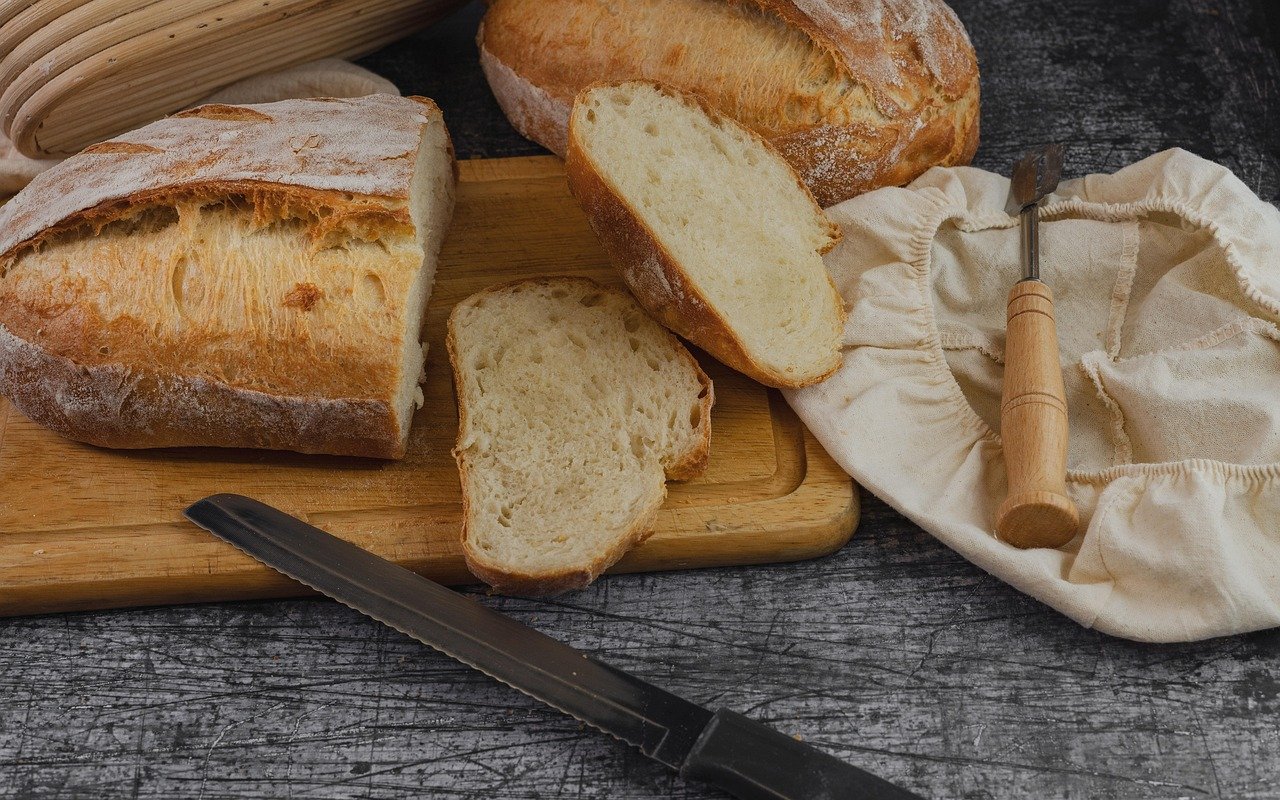
Bread knives are characterized by their serrated blades, which help cut through crust without crushing the soft interior of the loaf. A standard bread knife measures about 8 to 10 inches, and its serration can handle a variety of baked goods.
Utility Knife
A utility knife is a mid-sized knife, ranging from 4 to 7 inches, designed for general-purpose cutting tasks. It’s great for slicing sandwiches, fruits, or even pizza. Choose one with a strong blade for durability.
Blade Material Options
Stainless Steel
Stainless steel is a popular choice for kitchen knives due to its resistance to rust and staining. Look for high-carbon stainless steel as it retains sharpness longer and is easier to maintain.
High-Carbon Steel
High-carbon steel knives are known for their superior edge retention and ease of sharpening. Although prone to rust, regular oiling can prevent corrosion, making them a favorite among professional chefs.
Ceramic
Ceramic knives are highly resistant to wear and do not rust or stain. They hold their edge longer than steel knives but can chip or break easily, so they’re best suited for slicing rather than chopping.
Damascus Steel
Damascus steel knives feature a distinctive pattern and combine high-carbon and low-carbon steel. They offer a blend of sharpness, durability, and aesthetic appeal. The layered construction enhances strength while minimizing the fragility of the blade.
Handle Material Choices
Wood
Wooden handles provide a classic look and a comfortable grip, absorbing moisture. However, they require careful maintenance to prevent cracking and bacteria growth.
Plastic
Plastic handles are lightweight and often feature ergonomic designs. They are non-porous and easy to clean. However, quality varies, so opt for high-density options for better durability.
Stainless Steel
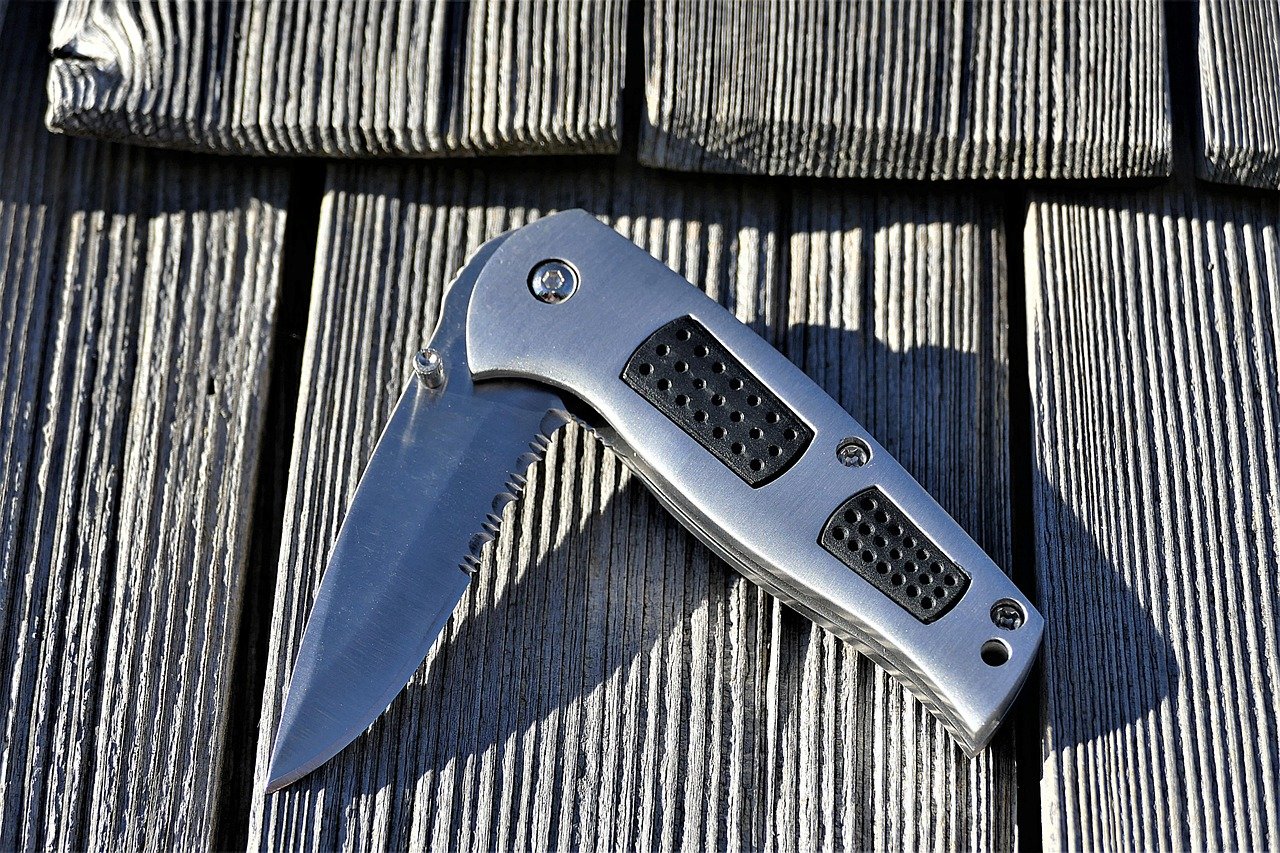
Stainless steel handles are sturdy, heat-resistant, and offer a sleek appearance. They can be slippery when wet, so a textured finish or dual materials can enhance grip.
Micarta
Micarta is a composite material made from resin and fabric, offering excellent durability and moisture resistance. Its non-slip surface and customizability make it popular in high-end knives.
Finding the Right Size
When choosing a knife, size directly affects functionality and comfort. Consider hand size and grip style. A knife that feels comfortable in your hand will enhance your cutting efficiency. If you have smaller hands, a smaller blade may provide better control.
The Importance of Weight and Balance
A knife’s weight should match your preference. Heavier knives provide more force, while lighter ones offer agility. Balance is equally essential; a well-balanced knife feels natural and reduces wrist strain during prolonged use. Hold the knife to gauge weight distribution and comfort.
Understanding the Edge Grind
V-Grind
A V-grind edge features dual bevels, creating a sharp, angled edge. This is the most common grind for kitchen knives, offering a good balance of sharpness and durability.
Hollow Grind
A hollow grind has an inward curve on each side of the blade, making it thinner and sharper. It’s ideal for precision work but may require more maintenance to keep the edge.
Convex Grind
This rounded edge is tougher and more resilient, making it excellent for heavy-duty tasks. However, it can be challenging to sharpen.
Serrated Edge
Serrated edges are ideal for cutting through tough exteriors, such as bread or tomatoes. While they don’t require frequent sharpening, they’re unsuited for precision slicing.
The Role of the Bolster
The bolster is the thick junction between the blade and handle. It adds balance and weight, enhancing stability during use. A full bolster provides protection for your fingers, while a partial bolster allows for easier sharpening.
Maintenance and Care
Sharpening
Invest in a good sharpening tool or a whetstone. Regular sharpening maintains the blade’s edge. A dull knife can be more dangerous than a sharp one. Familiarize yourself with the proper techniques for sharpening, ensuring longevity.
Cleaning
Always wash knives by hand with mild soap and water. Avoid soaking in water or placing them in a dishwasher, as this can damage the blade and handle. Dry them immediately after washing to prevent rust.
Storage
Storing knives properly extends their lifespan. Consider using a knife block, magnetic strip, or honing sheath. Avoid storing them loosely in drawers to prevent dulling or damage.
Budget Considerations
Kitchen knives range in price from budget-friendly options to high-end models. It’s important to balance cost with quality. Invest in a few essential knives rather than a large set of lower-quality versions. Look for warranties or guarantees to ensure durability regardless of price.
Where to Buy
Specialty Kitchen Stores
These stores often have knowledgeable staff who can guide you based on your specific needs. You can also physically handle knives before making a decision.
Online Retailers
Online shopping offers a vast selection at competitive prices. Ensure to read customer reviews to assess quality. Brands with a solid reputation often provide better insight into product durability.
Local Craft Fairs or Knife Shows
Attending local events can connect you with artisans who craft custom knives tailored to your preferences, adding a personal touch to your purchase.
Conclusion
Choosing the perfect kitchen knife involves understanding your needs, preferences, and culinary style. By considering blade types, material options, handle choices, and maintenance requirements, you can find a knife that enhances your cooking experience for years to come. Whether you’re a novice cook or a professional chef, the right knife is an indispensable tool in your kitchen arsenal. Happy slicing and dicing!