

The Importance of Regular Knife Sharpening
In the culinary world, a sharp knife is deemed an essential tool, often regarded as an extension of the chef’s hand. Regular knife sharpening is not merely a maintenance procedure; it significantly impacts cooking efficiency, food presentation, and, most importantly, safety in the kitchen.
Benefits of Regular Knife Sharpening
Enhanced Precision and Control
A sharp knife allows for precision cutting, which is vital for uniformity in food preparation. This consistent cutting ensures even cooking and enhances the dish’s overall presentation. Mushrooms sliced thinly for a delicate stir-fry, herbs chopped finely for a garnish, or vegetables diced evenly all rely on a well-maintained blade.Improved Safety
It may seem counterintuitive, but dull knives can lead to more accidents in the kitchen. A blunt edge requires more force to cut through food, increasing the likelihood of slips and mishaps. A sharp knife glides through ingredients, providing better control and reducing the risk of injury.Reduced Cooking Time
Sharp knives cut through food with ease, streamlining meal preparation and ultimately reducing cooking time. Time saved in the kitchen enables chefs and home cooks alike to focus on enhancing flavors and experimenting with creative techniques.Longevity of the Knife
Regular sharpening not only maintains the knife’s immediate functionality but also prolongs its lifespan. A well-cared-for knife will resist excessive nicks and damages, preserving its integrity over time.
Understanding Knife Components
Before delving into sharpening techniques, it is essential to understand the essential components of a knife:
- Blade: The cutting edge formed by a hard alloy, typically made from stainless steel, carbon steel, or ceramic.
- Edge: The part of the blade that makes contact with food. It should be maintained at an optimal angle for clean cuts.
- Tip: The forward part of the knife, useful for intricate slicing.
- Heel: The rear part of the blade, often used for more forceful cuts.
Tips for Regular Knife Sharpening
Determine the Correct Angle
The angle of the knife’s edge plays a pivotal role in performance. For Western-style knives, keep the angle at about 20 degrees. Japanese knives usually require a sharper angle of about 15 degrees. Use a sharpening guide or a whetstone with angle lines to maintain consistency.Choose the Right Tools
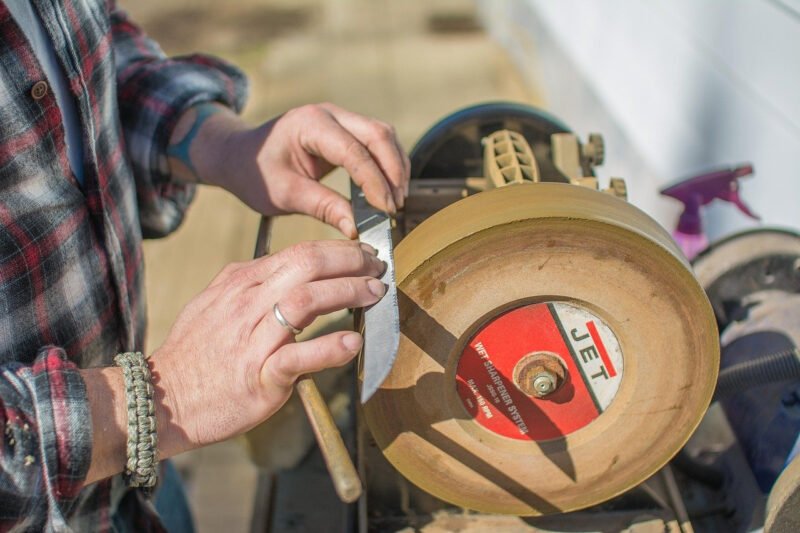
Several tools can effectively sharpen a knife, including:- Whetstone: This traditional tool allows for precision sharpening and is preferred by many professional chefs. It requires some skill but offers the best results when used correctly.
- Honing Rod: While not a sharpening tool in the strictest sense, a honing rod helps realign the blade’s edge between sharpenings, maintaining its sharpness.
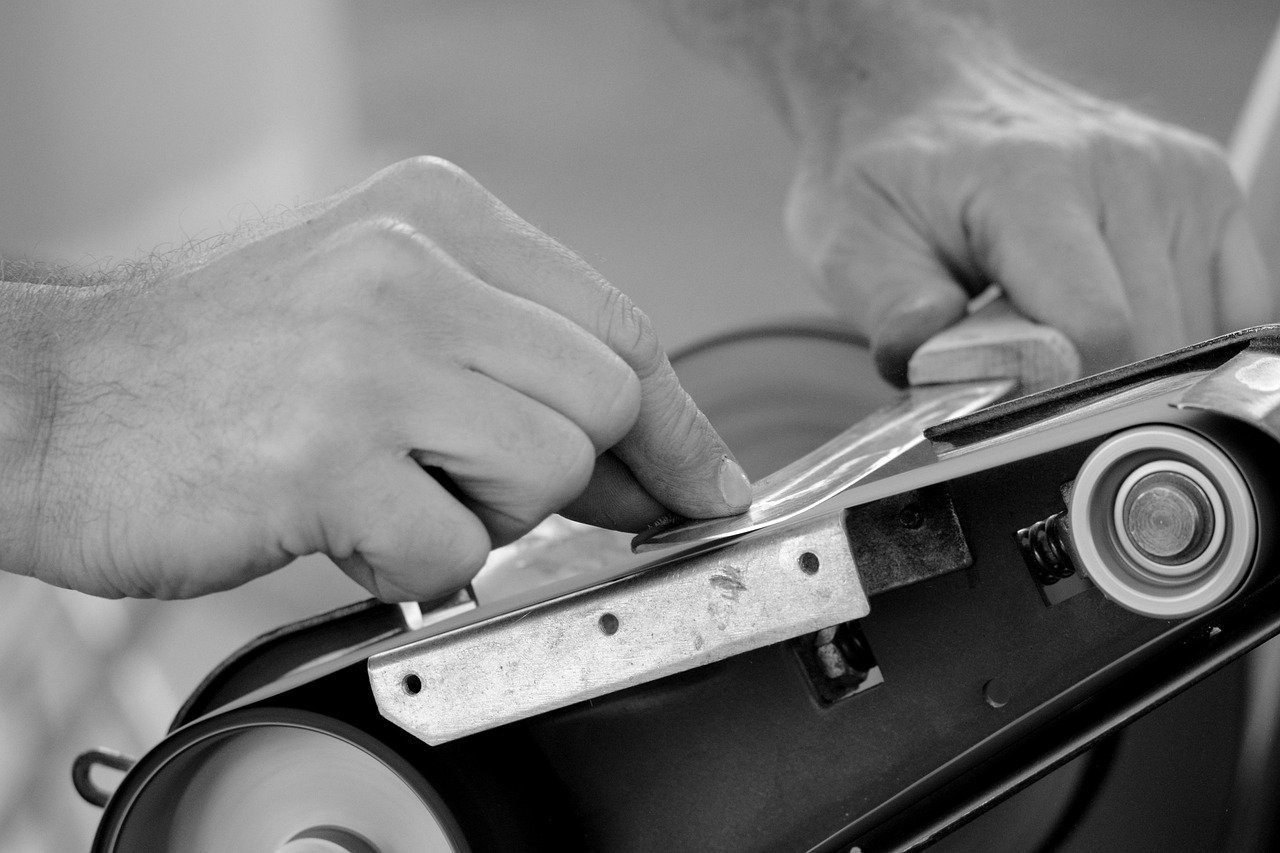
- Electric Sharpener: Effective for quick touch-ups, this tool is user-friendly and ideal for home cooks who may not require professional-level sharpening.
- Manual Pull-Through Sharpener: Convenient for quick use, though the results can be less precise than whetstones and rods.
Routine Maintenance
It’s crucial to develop a routine to sharpen knives regularly. A general rule is to hone the knife after every use and sharpen it thoroughly every few months, depending on frequency of use. For professional settings or heavy use, sharpening may need to occur more frequently.Clean Your Knife
Before and after sharpening, gently wash your knife with warm, soapy water and dry immediately. Keeping the blade clean ensures that no contaminants affect the sharpening process and maintains hygiene standards in the kitchen.Test Your Knife
After sharpening, test the blade’s sharpness by slicing through a tomato or onion. A sharp knife will easily glide through the skin without much pressure. Another test is the paper test, where the knife should smoothly slice through a piece of paper without tearing.Store Properly
The storage of knives can significantly affect their sharpness. Avoid cramming knives into drawers. Utilize magnetic strips, wooden blocks, or sheaths to protect the blade edges from damage.
Troubleshooting Common Sharpening Issues
Uneven Edge: If the knife feels uneven after sharpening, revisit the sharpening technique. Ensure consistent pressure and angle during the sharpening process.
Burr Formation: A burr is a small, bent piece of metal that can form on the blade edge during sharpening. If this occurs, gently run the knife along the honing rod on each side to remove it.
Chipped Blade: A chipped blade suggests that the knife was made from lower-quality steel or mishandled. When sharpening, be gentle and maintain the proper angle to avoid further damage.
Additional Techniques
Stropping
After sharpening with a whetstone, use a leather strop to polish the edge of the knife. This technique removes any burrs and refines the edge, enhancing overall sharpness.Using Oils
When sharpening with a whetstone, consider utilizing honing oil for stainless steel knives to prevent clogging and to keep the stone clean for optimal results.Knife Storage Solutions
Investing in good knife blocks, magnetic strips, or drawer inserts will prevent accidental dulling and maintain the knife’s sharp edge.Professional Services
While regular sharpening can be managed at home, some may choose to send their knives to professional sharpeners who can ensure a razor-sharp edge and attend to more significant damage repairs.Educating Yourself
Many resources and instructional videos are available online to familiarize home cooks and culinary enthusiasts with sharpening techniques. Learning from experienced chefs can provide valuable insights that enhance skills.
Regular knife sharpening isn’t merely a mundane chore but an essential practice that enhances culinary efficiency. By understanding the benefits, proper techniques, and maintaining the knife collection, cooks can ensure that their knives continue to perform at their best, making every culinary adventure more enjoyable and efficient.