


The Importance of a Good Knife Set for Home Chefs
1. The Role of Knives in Culinary Arts
Knives are the backbone of any cooking experience. They are not just tools; they are an extension of a chef’s skill and creativity. The right knife set can enhance both the efficiency and enjoyment of meal preparation, allowing home chefs to explore various techniques and cuisines without the hassle of inferior cutting tools.

2. Types of Knives Essential for Home Chefs
A comprehensive knife set typically includes several types of knives:
Chef’s Knife: The star of the kitchen, this versatile knife can handle chopping, slicing, and dicing a variety of ingredients, from vegetables to proteins.
Paring Knife: Ideal for intricate tasks, a paring knife is perfect for peeling fruits or deveining shrimp where precision is key.
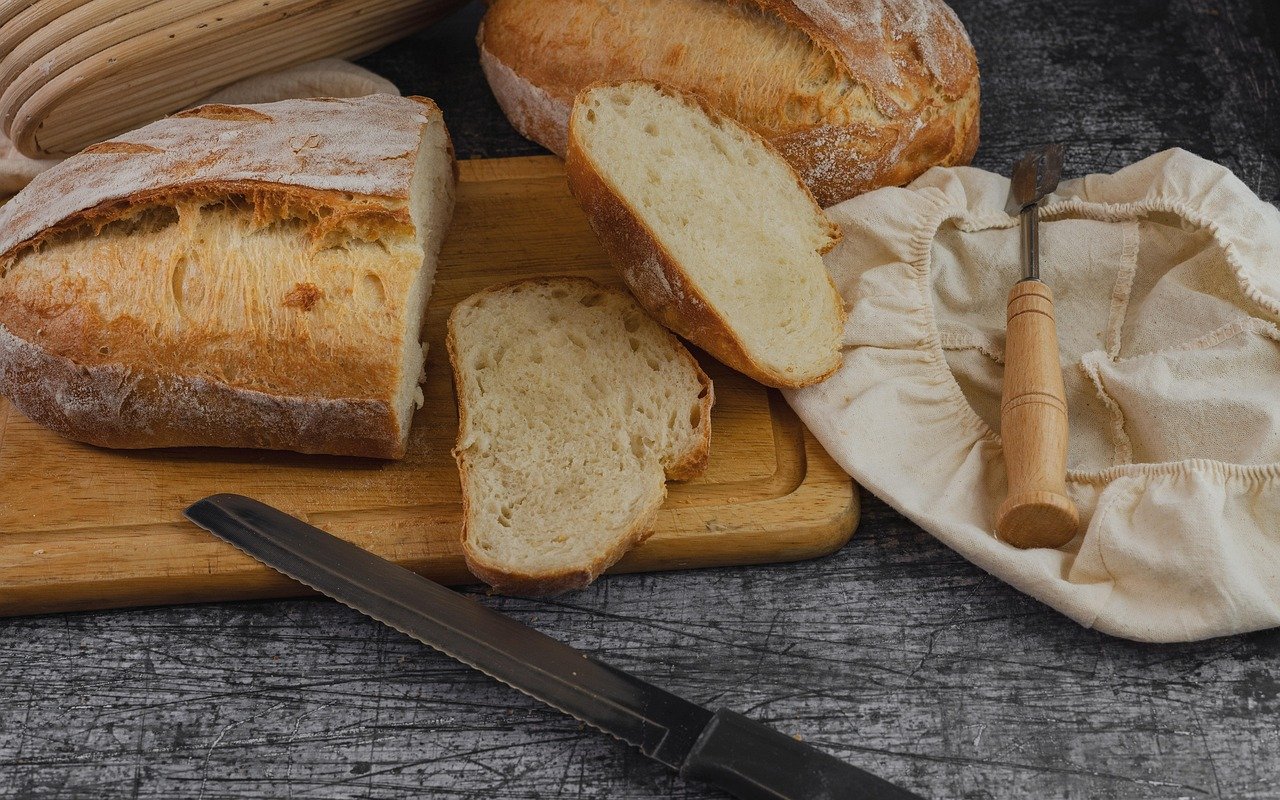
Serrated Knife: Best suited for slicing bread and delicate items like tomatoes, a serrated knife’s saw-like edge allows for clean cuts without crushing.
Boning Knife: This knife excels in deboning and filleting, providing home chefs with the ability to prepare meats and fish professionally.
Utility Knife: A medium-sized knife that bridges the gap between the chef’s knife and the paring knife, useful for a variety of cutting tasks.
Cleaver: Hefty and strong, the cleaver is perfect for chopping through bone and tougher cuts of meat, making it a unique addition to a knife set.
3. Quality and Material Matters
The material and craftsmanship of knives significantly influence their performance. High-carbon stainless steel is a popular choice for professional and home chefs alike. It combines excellent sharpness retention with resistance to rust and stains. When selecting a knife set, pay attention to:
Blade Construction: Forged blades tend to be more durable and are often heavier, providing better balance and control. Stamped blades, typically lighter and more affordable, can be easier for some chefs to handle.
Handle Quality: A good grip is essential for control and safety. Handles made of wood, plastic, or composite materials offer varying levels of comfort, durability, and aesthetics.
4. Maintenance of Knives
Investing in a quality knife set requires responsibility in maintenance. Proper care ensures longevity and peak performance:
Regular Sharpening: A sharp knife is a safe knife. Dull blades can slip and cause injuries. Regular use of a honing steel can keep the edge aligned, while occasional sharpening with a whetstone or professional service reinstates sharpness.
Cleaning Techniques: Always wash knives by hand to preserve the integrity of the blade and handle. Avoid soaking them in water for prolonged periods and steer clear of dishwashers, which can lead to chipping and dulling.
Storage Solutions: Proper storage protects blades from damage. Knife blocks, magnetic strips, or protective sheaths can keep knives safe and easily accessible.
5. Safety Considerations
Investing in a well-crafted knife set also contributes to kitchen safety. Here are vital safety practices:
Proper Grip: Learn to hold your knives correctly to maintain control and prevent accidental cuts. The pinch grip, where the thumb and forefinger pinch the blade, is a popular method that offers stability.
Cutting Boards: Use appropriate cutting boards, preferably wood or plastic, to prevent blade dulling and keep food hygiene in check.
Mindful Cutting Techniques: Always cut away from your body and keep your fingers curled back to protect yourself from slips.
6. The Cost-Effectiveness of a Quality Knife Set
While a high-quality knife set may come with a higher price tag, the investment pays off in terms of performance, durability, and safer cooking. Inexpensive knives often require frequent replacements, resulting in a more expensive overall cost. Additionally, having reliable tools enhances cooking skills, making meal prep quicker and more enjoyable.
7. Enhancing Culinary Skills with a Good Knife Set
Investing in a quality knife set is not merely about having the right tools; it profoundly impacts a chef’s culinary journey. A good knife set allows home chefs to:
Experiment with Techniques: With specialized knives, chefs can easily explore various cutting techniques like chiffonade, julienne, or brunoise, broadening their culinary repertoire.
Develop Confidence: The right tools enhance a chef’s confidence, encouraging experimentation with new recipes and flavor combinations.
Streamline Meal Prep: Efficient tools lead to faster meal preparation, making it feasible to cook healthy meals even on busy days.
8. The Emotional Connection to Cooking
Cooking is as much about the emotional experience as it is about the food. A well-chosen knife set can deepen this connection. Knives with a good balance and comfortable grip make the act of chopping, slicing, and dicing more enjoyable. The feeling of precision and control helps chefs immerse themselves into the cooking process, turning meals into masterpieces rather than chores.
9. The Appeal of Collectible Knife Sets
For many home chefs, knife sets can be a form of personal expression and collection. The aesthetic beauty of high-end knives from renowned brands often attracts culinary enthusiasts. Limited edition pieces or those crafted by artisans appeal to chefs looking for uniqueness and craftsmanship.
10. Finding the Perfect Knife Set
Choosing the right knife set involves evaluating personal cooking habits, preferences, and budget. Consider purchasing individual knives initially and expanding the collection as skills improve and specific needs arise. Test knives for comfort and balance before investing, as each chef may have different preferences based on their cooking style.
11. Educational Resources
To further enhance skills and knowledge about knives, chefs can explore a wealth of resources. Online culinary courses, books, and video tutorials provide guidance on knife skills and maintenance. Joining culinary classes or workshops can also improve understanding of proper knife techniques, ensuring chefs maximize the utility of their knife set.
12. Conclusion
In the realm of cooking, having a good knife set elevates not only the food prepared but also the overall cooking experience. As essential tools, knives facilitate precision, efficiency, and creativity, making them indispensable for every serious home chef. As contenders in kitchens everywhere seek to hone their craft, investing in a quality knife set emerges as a vital decision that will pay dividends for years to come.