



The Importance of Knife Sharpness in Home Cooking
Enhanced Safety in the Kitchen
One of the foremost benefits of keeping your knives sharp is enhanced safety. Dull knives require more force to cut through food, increasing the risk of slips and accidents. When a knife fails to slice through an item smoothly, it can slip away unpredictably. Sharp knives require less pressure, allowing for better control and minimizing the chance of injury. Using a dull knife may lead to cuts and injuries that are more severe than those caused by sharp knives due to the unintended slips during use.
Improved Efficiency
Time is of the essence in any kitchen. Dull knives can slow down your cooking process significantly. A sharp knife slices through vegetables, meats, and herbs with ease, reducing chopping and slicing time dramatically. For instance, when preparing meals, a chef may take twice as long with a dull knife compared to a well-honed one. The ease of cutting results in more time being spent cooking and perfecting your dishes rather than wrestling with blunt knives.
Better Food Presentation
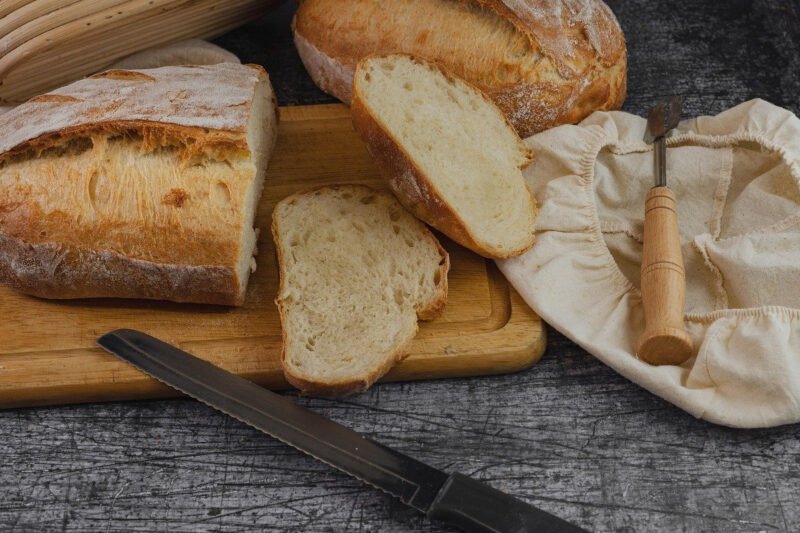
The visual appeal of a dish is an essential aspect of culinary arts. Sharp knives make clean cuts, producing beautifully uniform slices and diced pieces, which enhances the overall presentation of any meal. Whether you’re preparing a colorful salad or a meticulously plated dish, sharp knives create clean edges and even shapes that elevate your food’s aesthetic appeal. This attention to detail can make a significant difference in how meals are received by family and guests.
Preserving Food Quality
Another significant advantage of using sharp knives is the preservation of food quality. Dull knives crush and bruise ingredients instead of cleanly slicing them. For example, when cutting herbs, a sharp knife will produce cleaner cuts, allowing the essential oils to remain intact, enhancing flavor without sacrificing integrity. In contrast, a dull blade may release juices and diminish the quality of produce, affecting taste and aroma. Sharp knives help maintain the integrity of foods, ensuring that each ingredient contributes fully to the dish.
Enhanced Accuracy
Precision is crucial in cooking and food preparation, especially when following specific recipes that require uniform cutting. Sharp knives allow cooks to make accurate cuts with finesse. Whether creating julienne cuts for stir-fries or fine chiffonade for garnishing, sharp knives make achieving these precise cuts attainable. This accuracy means that ingredients can be cooked evenly, leading to consistent cooking times and improved flavor profiles.
Lower Environmental Impact
Using sharp knives can contribute to environmental sustainability in the kitchen as well. Dull knives can lead to more food waste due to uneven cuts, which may cause some parts of vegetables or meats to be more cooked than others. When you improve knife sharpness, you maintain the overall quality of your ingredients, reducing waste. Moreover, over time, less food waste means a lesser impact on landfills and a more sustainable kitchen practice.
Cost Efficiency
Investing time in maintaining your knives may seem insignificant, but it can lead to significant cost savings in the long run. Dull knives often lead to increased food waste and unnecessary replacements of produce that get ruined during preparation. Additionally, sharpening a knife is a relatively low-cost maintenance task compared to the expense of replacing kitchen tools. By regularly sharpening your knives, you prolong their life, allowing you to save money and ensure that your tools remain effective.
Techniques for Keeping Your Knives Sharp
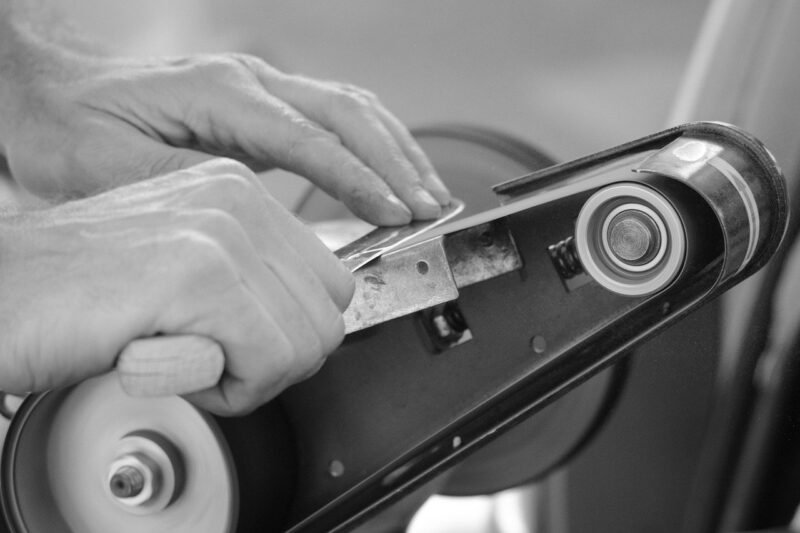
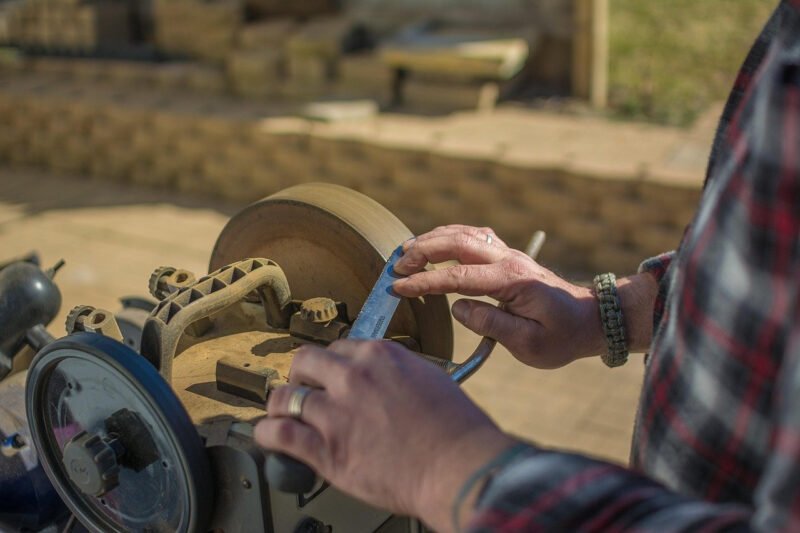
Maintaining sharp knives is not just about skill but also about knowledge of the best techniques. Regularly honing your knives between sharpenings with a honing steel can realign the edge, preventing dullness. Additionally, using a whetstone, electric sharpener, or professional sharpening service every few months can help keep the blade in top-notch condition. It’s essential to know the type of sharpener compatible with your knives; for instance, ceramic knives require different sharpening methods compared to stainless steel knives.
Furthermore, proper storage of knives can greatly affect their sharpness. Utilizing a knife block or magnetic strip keeps blades protected and prevents them from dulling against surfaces. Avoiding storage in drawers without guards or sheaths is crucial, as this can lead to scratches and nicks.
Understanding Knife Materials
The type of material of the knife also plays a key role in how often you should sharpen it. High-carbon stainless steel knives, for instance, hold their edge well but still require regular sharpening. Ceramic knives necessitate special consideration as they are harder but can chip more easily. Understanding the material of your knives helps you develop a customized care and maintenance plan that will maximize their lifespan and effectiveness.
Psychological Benefits
Using sharp knives can also enhance your psychological comfort while cooking. The frustration that comes with a dull knife can create negative associations with meal prep, making cooking feel tedious or daunting. In contrast, having sharp knives allows for a smoother, more enjoyable process. It fosters a sense of creativity and productivity, encouraging individuals to experiment with new recipes and cooking techniques.
Culinary Creativity
Sharp knives foster culinary creativity. When your tools are efficient, exploring intricate techniques and new ingredients becomes more inviting. Experimenting with complex garnishes or delicate vegetable cuts is much easier with a well-maintained knife. This freedom not only enhances your cooking skills but deepens your relationship with the art of cooking, encouraging culinary exploration and improving your overall cooking experience.
Conclusion
The benefits of keeping your knives sharp go beyond mere convenience in food preparation. From safety and efficiency to enhanced food quality and visual appeal, sharp knives play a critical role in home cooking. Developing a maintenance routine, understanding your knives’ materials, and cultivating an enjoyable cooking environment are vital steps in fostering a positive relationship with food. Embrace the advantages of sharp knives, and transform your cooking experience into something exceptional and enjoyable.