

Understanding Portable Knife Sharpeners
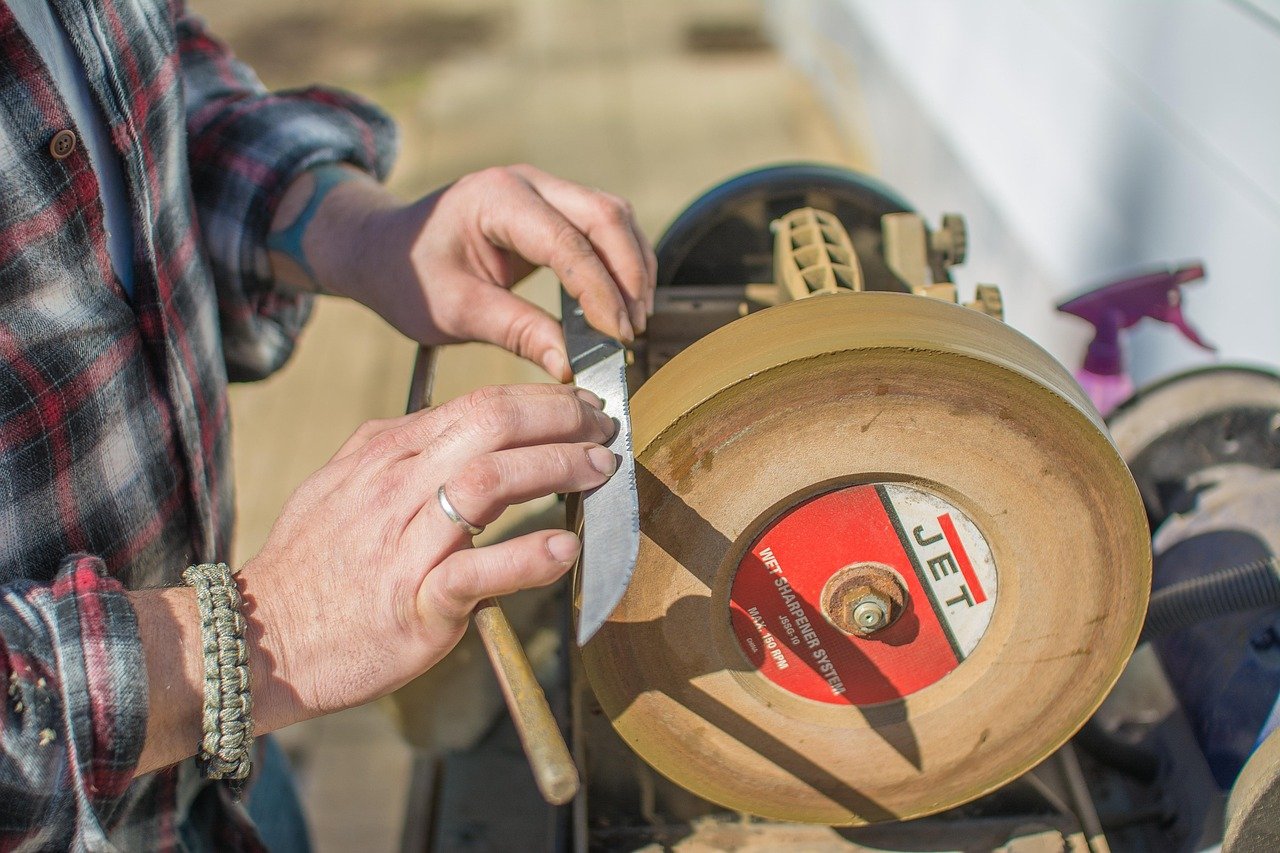
Portable knife sharpeners are essential tools for outdoor enthusiasts, offering a convenient way to keep knives sharp. These devices are designed to be lightweight, compact, and efficient, catering to the needs of campers, hikers, hunters, and fishermen who may require a sharp blade for various tasks in the wild.
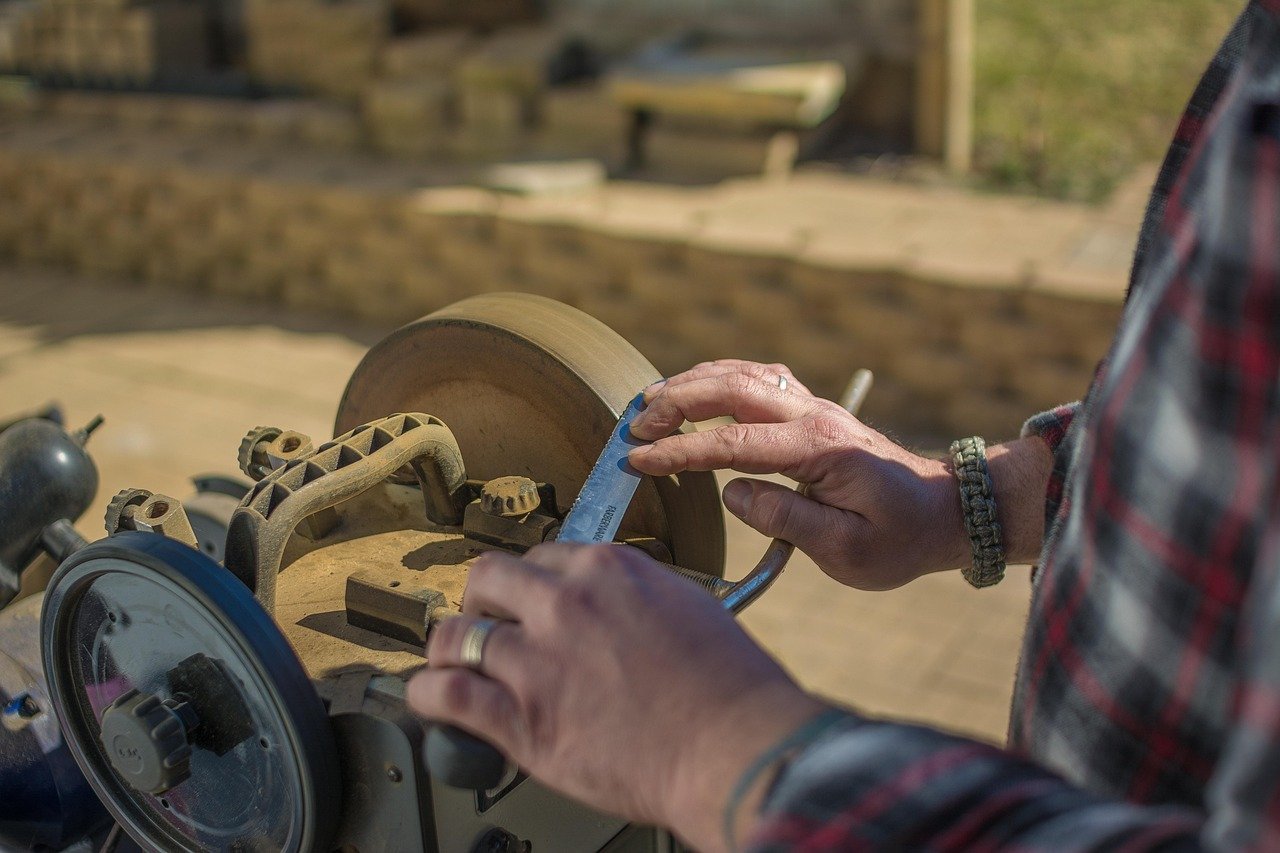
Types of Portable Knife Sharpeners
1. Manual Pull-Through Sharpeners
Manual pull-through sharpeners typically feature two or more slots with different abrasive materials—usually diamond or ceramic. Users pass the knife blade through the designated slot, which aligns the blade at the optimal angle. These sharpeners are simple to use and ideal for quick touch-ups.
Pros:
- Easy to use
- Compact design
- Affordable
Cons:
- Limited to specific blade styles
- May not achieve a razor-sharp edge
2. Pocket Whetstones
Pocket whetstones are small, flat stones used in traditional sharpening. Outdoor lovers often choose whetstones due to their versatility. They do require practice to ensure the correct angle and technique.
Pros:
- Extremely versatile
- Can achieve a polished edge
- Doesn’t require batteries
Cons:
- Requires skill and practice
- Can damage softer materials if used improperly
3. Honing Rods
Honing rods are long, cylindrical tools typically made of steel or ceramic. These tools are excellent for realigning the microscopic teeth on a knife’s edge, maintaining sharpness between full sharpening sessions.
Pros:
- Great for quick touch-ups
- Compact and easy to carry
- Can extend blade life
Cons:
- Not effective for dull knives
- Requires technique to use correctly
4. Battery-Operated Electric Sharpeners
Though larger than manual options, some battery-operated electric sharpeners offer the advantage of speed and ease of use. These devices use rotating abrasive wheels to sharpen blades quickly and can often handle various blade types.
Pros:
- Fast and efficient
- User-friendly
- Suitable for various knife types
Cons:
- Heavier and bulkier
- Requires batteries or a power source
Key Features to Consider
When choosing a portable knife sharpener, outdoor enthusiasts should consider several essential features:
1. Weight and Size
The weight and size of the sharpener are crucial, particularly for those backpacking or hiking where every ounce counts. Look for models that offer compact designs without sacrificing functionality.
2. Material of Abrasives
The sharpening material plays a significant role in the sharpener’s efficiency. Diamond abrasives offer durability and effectiveness, while ceramic options are better for honing and finishing the edge.
3. Ease of Use
Find a sharpener that suits your skill level. While some outdoor enthusiasts prefer more advanced techniques, beginners may appreciate simpler, more user-friendly designs.
4. Durability
Choose a sharpener made of robust, weather-resistant materials, especially if it is to be used in various outdoor environments. A high-quality sharpener should withstand frequent use and exposure to elements.
Maintenance of Your Knife Sharpener
Just like your knives, a portable knife sharpener requires upkeep to function optimally. Here are some strategies for maintaining your sharpener:
- Clean After Use: Regularly remove metal shavings and debris after sharpening to ensure the effectiveness of the abrasive materials.
- Follow Manufacturer Guidelines: Always adhere to the care instructions provided by the manufacturer to prolong the life of your sharpener.
- Store Properly: Keep your sharpener in a case or pouch to prevent damage during your outdoor excursions. This also helps protect the abrasive surfaces from dirt and moisture.
Utilizing Your Knife Sharpener in the Wild
When in the field, understanding the best practices for sharpening knives can enhance your outdoor experience. Here’s how to effectively use your sharpener:
Choose the Right Location: Find a stable, flat surface to maintain balance and leverage while sharpening.
Familiarize with Techniques: Spend some time practicing techniques before your trip to ensure proficiency. If using a whetstone, practice your angle and motion for optimal results.
Know When to Sharpen: Learn to recognize the signs of a dull knife. If the blade struggles to cut through material, it’s time to sharpen.
Visualizing the Edge: Regularly check the knife’s edge to determine how much material needs to be removed. This allows for more strategic sharpening.
Popular Brands of Portable Knife Sharpeners
Several brands are popular among outdoor enthusiasts, each offering unique features:
Work Sharp: Renowned for electric sharpeners featuring innovative technology, such as the guided sharpening system.
Smith’s: Offers a variety of handheld and pull-through sharpeners designed for portable use.
Spyderco: Known for their high-quality ceramic whetstones and compact options tailored for outdoor enthusiasts.
Conclusion
Portable knife sharpeners cater specifically to outdoor enthusiasts, providing a vital tool for maintaining knife performance in the wild. Knowing the various options, selecting the right device, and adhering to best practices can significantly enhance your outdoor experience, allowing you to keep your knives sharp and ready for any task. By investing time in learning how to effectively use these tools, outdoor enthusiasts can ensure their adventures remain seamless and enjoyable.