


Knife Sharpening Myths Debunked: What You Need to Know
Knife sharpening is an essential skill for any home cook, chef, or outdoor enthusiast. However, the world of knife maintenance is riddled with misconceptions. This article aims to clarify common myths, offering valuable insights into knife care techniques and best practices.
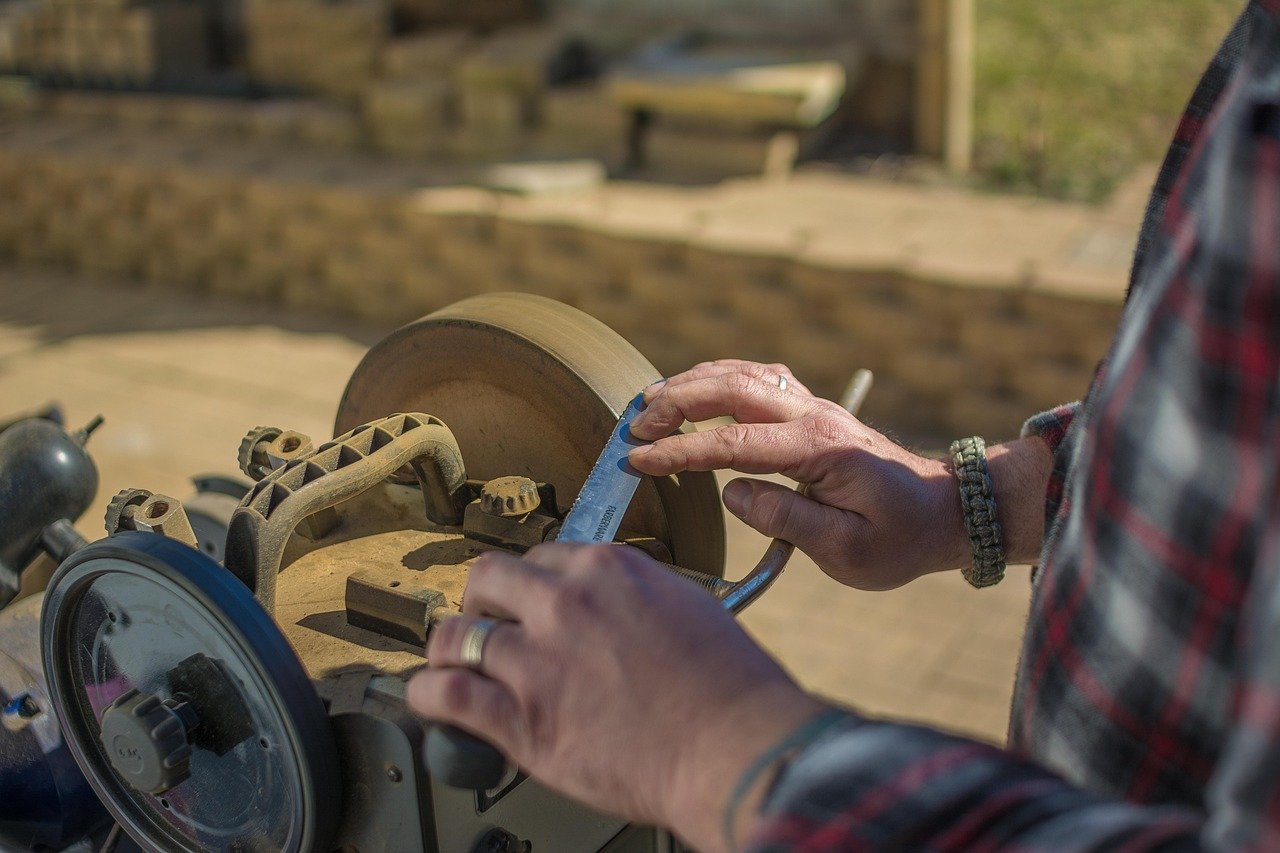
Myth 1: Honing is the Same as Sharpening
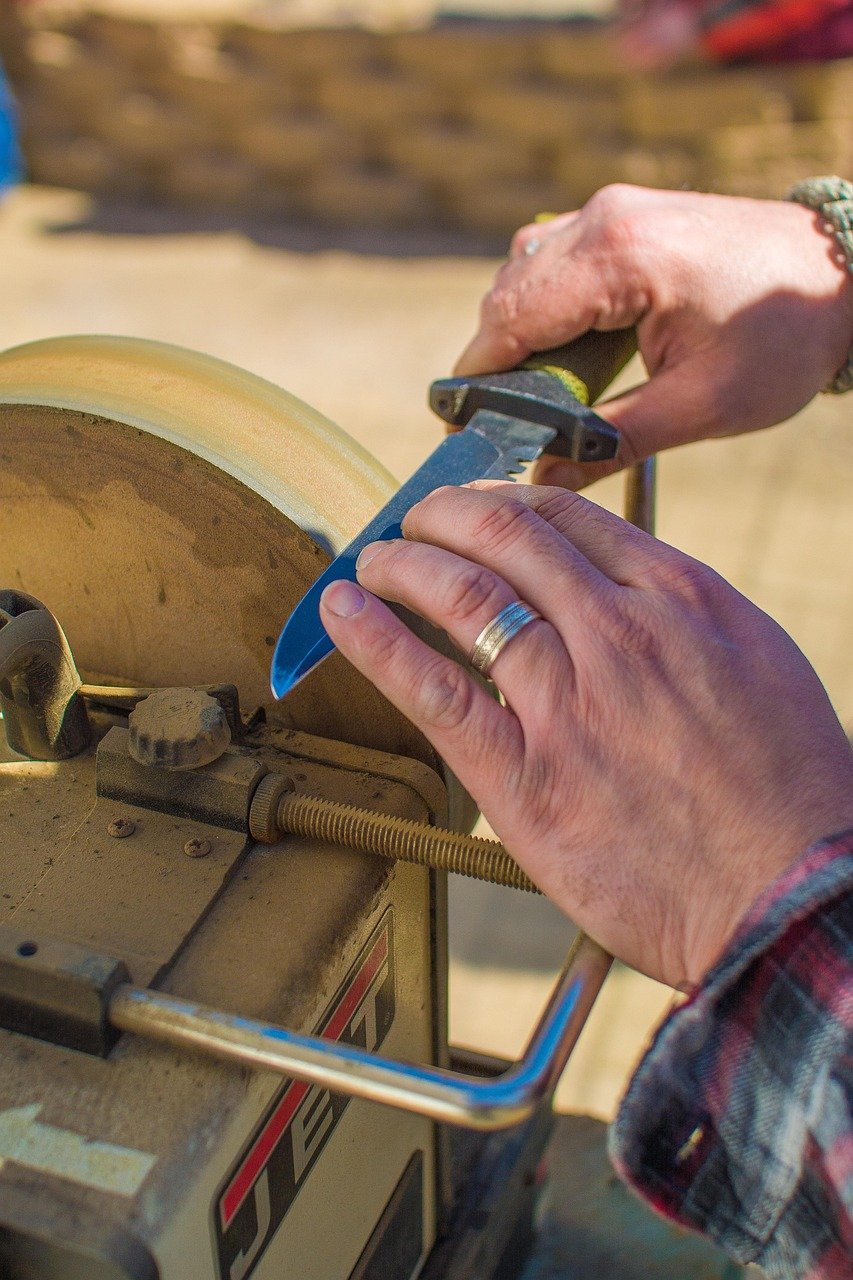
Truth: Honing and sharpening are two distinct processes. Honing involves realigning the microscopic teeth that form the blade’s edge, usually performed with a honing steel. In contrast, sharpening removes material from the blade to form a new edge. Regular honing prolongs the intervals between sharpening, effectively maintaining the knife’s performance.
Myth 2: You Should Sharp Only When Knives Are Dull
Truth: Regular maintenance through honing can keep knives performing optimally. It is not necessary to wait until a knife is dull before sharpening it. Professionals often sharpen their knives every few uses, allowing for an efficient cutting experience. A well-maintained knife not only cuts better but is also safer to use because it requires less pressure, reducing the likelihood of slips and injuries.
Myth 3: You Only Need One Knife Sharpener
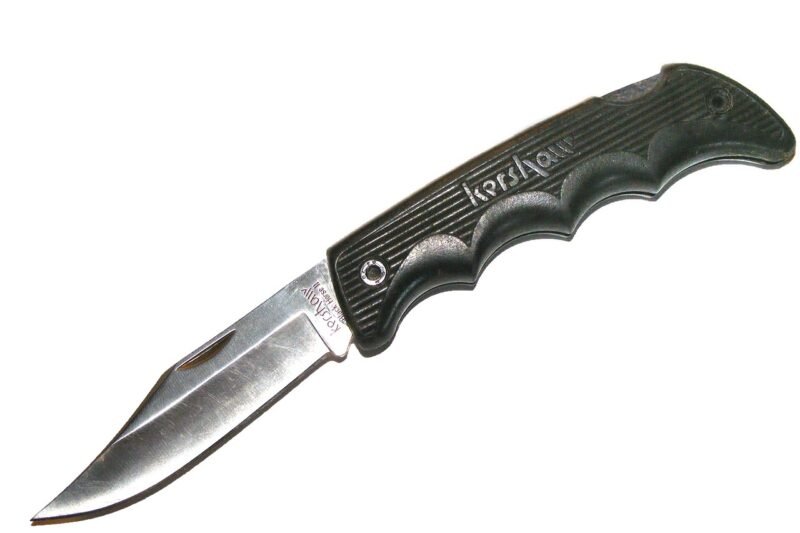
Truth: There is no one-size-fits-all when it comes to knife sharpeners. Different types of knives benefit from various sharpening methods and tools. For instance, a chef’s knife may require a whetstone or diamond stone, while a pocket knife might be better suited to a pull-through sharpener. Additionally, assessing the desired edge type—bevel, serrated, or tanto—can dictate the best sharpening tools.
Myth 4: Electric Sharpeners Are the Best Option
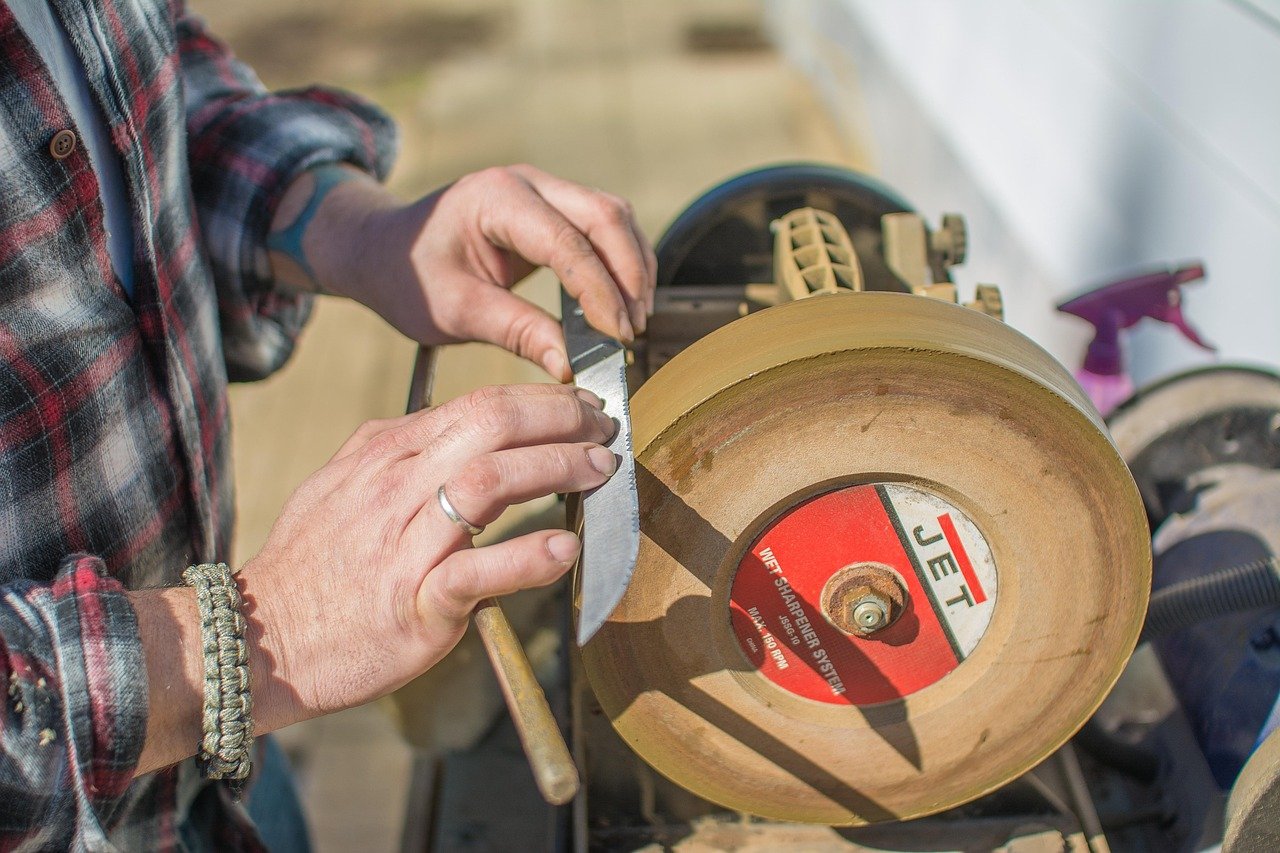
Truth: While electric sharpeners are convenient, they can also be harsh on knives. They often remove more material than necessary, which can shorten the lifespan of your knife. Manual sharpeners, including whetstones and honing rods, provide greater control over the sharpening angle and material removal, allowing for more precise maintenance of the knife’s edge.
Myth 5: You Should Always Use Water with Whetstones
Truth: This is a common misconception that isn’t universally applicable. Water is ideal for some whetstones—specifically those labeled as “water stones.” Others, like oil stones, require the use of oil for lubrication. Using the incorrect medium can lead to ineffective sharpening and damage the stone. Always refer to the manufacturer’s instructions for the proper lubricating agent.
Myth 6: A Sharper Knife Is a More Dangerous Knife
Truth: Sharp knives are generally safer than dull knives. They require less force and precise movement, significantly reducing the risk of slipping. A dull knife can easily bounce off the cutting surface, leading to unexpected accidents. Regularly maintained edges offer control and efficiency, making tasks safer.
Myth 7: All Knives Can Be Sharpened the Same Way
Truth: Knives come in various shapes and materials, requiring tailored sharpening techniques. For instance, Japanese knives feature a harder steel and are often sharpened at steeper angles (around 15 degrees) than Western knives (typically around 20 degrees). Serrated knives also necessitate specialized sharpening tools, as traditional methods cannot effectively address their unique design.
Myth 8: The More Expensive the Knife, the Easier It Is to Sharpen
Truth: While high-quality knives often maintain their edge longer, they can also require specific techniques to sharpen. Some premium knives are made from harder materials, making them more challenging to sharpen effectively. Conversely, budget-friendly knives may be easier to sharpen, but they often don’t hold their edges as well. The key lies in understanding the unique qualities of each knife you own.
Myth 9: A “Sharp” Knife Should Always Pass the Paper Test
Truth: The paper test, where a knife is supposed to slice through paper effortlessly, can be misleading. While a sharp knife can perform this task, it doesn’t comprehensively determine edge quality. A knife’s sharpness is also influenced by its geometry and intended use. Tests that evaluate cutting performance on various materials provide more insight into a knife’s effectiveness.
Myth 10: Knife Sharpening Is All About Technique
Truth: Although technique is crucial to knife sharpening, the right tools and maintenance methods play significant roles as well. Choosing appropriate sharpening methods and practicing proper blade care—cleaning, drying, and storing knives—are vital for ensuring longevity and effectiveness.
Myth 11: Using a Steel Means Your Knife Is Sharp
Truth: A honing steel cannot replace sharpening. While it can maintain an edge by realigning it, it doesn’t create a new edge. Regular sharpening sessions are still necessary to remove material and restore a knife’s functionality. Practicing both honing and sharpening techniques will keep knives in prime cutting condition.
Myth 12: You Don’t Need to Sharpen Kitchen Knives Often
Truth: Regular use dulls knives over time, necessitating frequent maintenance. The frequency of sharpening depends on usage; heavy users may need to sharpen after every few uses, while casual cooks may do so less often. Observing how a knife performs can guide when to sharpen, focusing on maintaining efficiency and safety.
Myth 13: Any Angle Will Do for Sharpening
Truth: Consistency in sharpening angles is crucial for edge longevity and performance. Sharpening at inappropriate angles can cause chipping or create a “toothy” edge, which is less effective for certain tasks. Understanding the manufacturer’s recommended angle for your knives ensures optimal results.
Myth 14: It’s Too Difficult to Learn to Sharpen Knives Properly
Truth: Although sharpening may seem intimidating, it’s a skill that can be mastered through practice. Numerous resources, including online tutorials and workshops, are available to help enthusiasts build proficient sharpener skills. Starting with inexpensive knives allows for experimentation without the fear of damaging valuable tools.
Myth 15: You Should Only Sharpen Knives When They’re Visibly Damaged
Truth: A knife can lose its edge without visible damage. Performance indicators include its ability to cut through food effortlessly. Being proactive about sharpening—before visible dullness sets in—will enhance the knife’s functionality. Regular maintenance allows users to recognize subtle changes, ensuring they can respond promptly.
Final Thoughts
Understanding these myths can significantly improve your knife maintenance routine. By debunking common misconceptions and applying best practices, your knives will remain sharp, efficient, and safe to use. Whether for everyday cooking or gourmet preparations, proper knife care is essential to enhancing your culinary experiences.