

Understanding the Karambit Knife
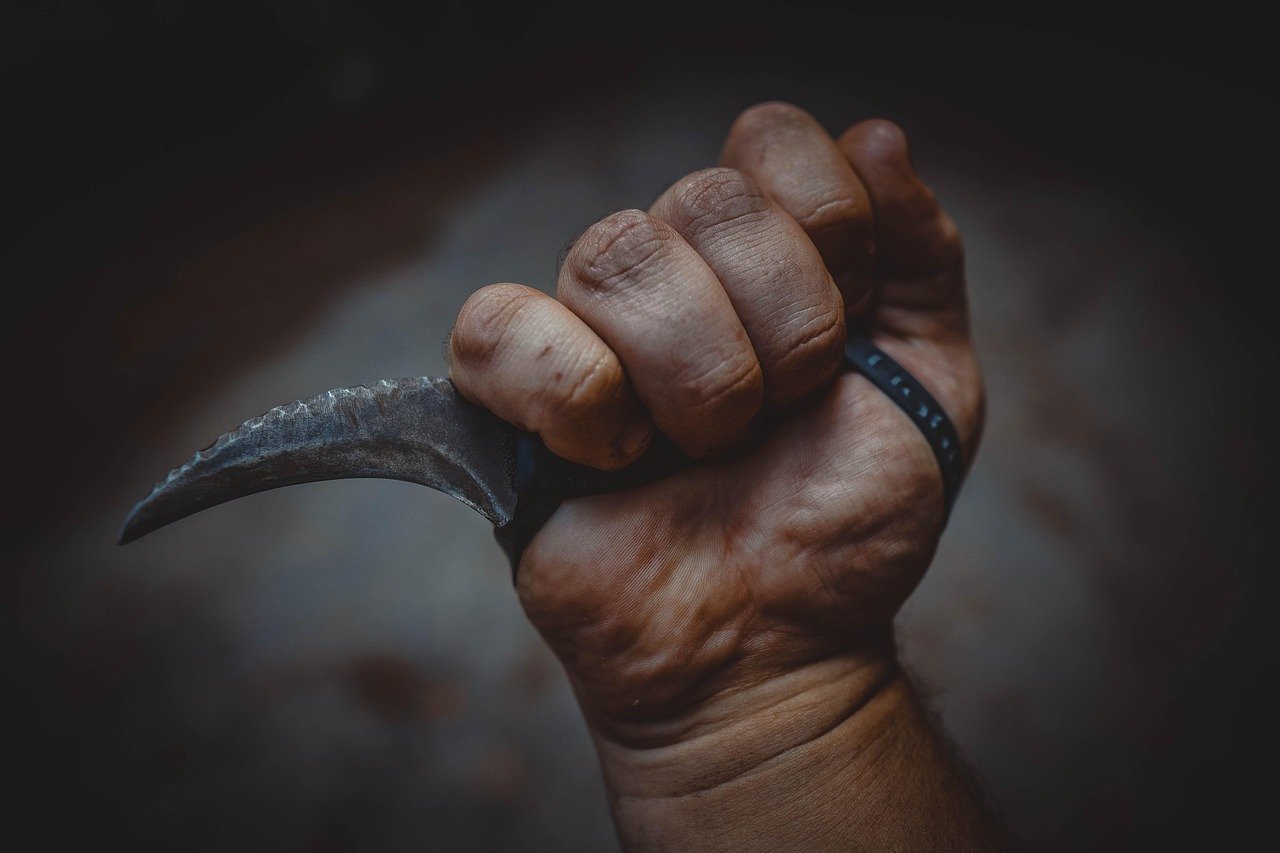
The karambit is a unique, curved knife that originated in Southeast Asia, predominantly in regions such as Indonesia and the Philippines. Recognized for its distinctive claw-like blade, this tool was originally designed for agricultural purposes, such as harvesting crops. However, over the years, its effectiveness in close combat has made it a favorite among martial artists, self-defense enthusiasts, and survivalists.
The design features a finger ring at the base of the blade that enables greater control. This design element allows the user to retain an advantageous grip under various conditions. The karambit is primarily used in Filipino martial arts, where it is practiced in various styles, emphasizing fluidity and adaptability.
Basic Grips
Standard Grip
The standard or forward grip is the most commonly used hold. The user grips the karambit with the blade facing outward. This grip allows for slashing and slicing attacks, capitalizing on the knife’s curvature.
Reverse Grip
In the reverse grip, the blade is directed inward towards the user. This position is ideal for close quarters where stabbing motions are necessary. The reverse grip also helps with defensive maneuvers as it allows for higher wrist mobility.
Ice Pick Grip
The ice pick grip positions the karambit vertically, similar to how one would handle an ice pick. This grip is effective for thrusting motions and is commonly used in follow-up attacks after a slash.
Footwork Fundamentals
Regardless of the techniques employed, footwork is essential when utilizing the karambit. Quick, precise movements enhance the user’s ability to evade attacks and position themselves effectively.
Side-Stepping
Side-stepping allows a practitioner to evade an opponent’s advance while setting up an ideal angle for a counter-attack. This technique requires practice to ensure it flows smoothly into offensive strikes.
Circular Movements
Incorporating circular footwork can help the user avoid direct confrontations. Moving in a circle allows for better situational awareness and opens the door for slashing or thrusting attacks from various angles.
Striking Techniques
Karambit techniques often revolve around four primary types of strikes: slashes, thrusts, hooks, and jabs.
Slashes
Slashing techniques capitalize on the karambit’s unique blade curve. Angled cuts can create significant damage, especially when targeting soft tissue areas such as the neck or arms.
Target areas for slashes include:
- Forearm: To disable an opponent’s weapon hand.
- Throat: A high-risk, high-reward target that can incapacitate quickly.
- Inner Thigh: Causing severe damage and limiting mobility.
Thrusts
A thrust is a direct forward motion aiming for vital areas. Using the reverse grip enhances the thrust’s effectiveness. Thrusting allows the user to control distance while striking, maintaining the karambit’s momentum through the motion.
Defensive Techniques
Self-defense using a karambit requires an understanding of both offense and defense. The following defensive techniques are paramount for effective self-defense.
Blocking
Utilizing the blade for blocking incoming strikes takes advantage of the knife’s structure. The user can parry attacks and create openings for counterattacks. Proper timing and distance are essential for effective blocking.
Redirecting Attacks
Rather than meeting incoming strikes head-on, redirecting can defuse an attack while positioning the user for a counter. This technique hinges on footwork and subtle movements to ensure fluidity and follow-through.
Combo Techniques
Combining various movements and strikes can disorient an opponent, allowing for effective self-defense. Here are a few examples:
Slash to Thrust
Starting with a wide slashing motion to create distance, follow with a quick thrust targeting the torso or a specific vital area. This combination utilizes deceptive movements to maintain control.
Evade and Strike
By first evading an opponent’s strike, the user can create an opening to execute a counter-slash or backhand strike. This technique relies heavily on timing and precision.
Training Methods
Mastering karambit techniques requires structured training. Here are effective methods to hone your skills:
Shadow Training
Practicing techniques in front of a mirror or shadow helps develop muscle memory and proper form. Shadow training allows flexibility to work on footwork, strikes, and transitions without a partner.
Partner Drills
Engaging in drills with a partner is essential for understanding real-time applications of techniques. Practice scenarios, such as controlled sparring, can simulate self-defense situations.
Sparring Sessions
Sparring is an opportunity to test skills against a live opponent. Use training gear to ensure safety, allowing for full-commitment movements without the risk of injury.
Safety Precautions
When practicing with a karambit, safety is paramount. Here are essential safety precautions:
Use Dull Blades for Training: Always use dull knives or trainers when learning new techniques to prevent accidental injuries.
Wear Protective Gear: Utilize gloves, masks, and body armor during sparring or partner drills.
Train in a Controlled Environment: Ensure that training areas are free from hazards and distractions.
Legal Considerations
Before carrying or training with a karambit, it’s crucial to understand local laws regarding knives and self-defense weapons. In many regions, owning a karambit is legal, but carrying it concealed or openly may have restrictions.
Conclusion
Mastering karambit techniques involves understanding the weapon, honing striking and defensive methods, and engaging in consistent practice. With patience and dedication, practitioners can leverage the unique advantages offered by this extraordinary weapon for effective self-defense.