

Understanding the Basics of Blade Sharpening
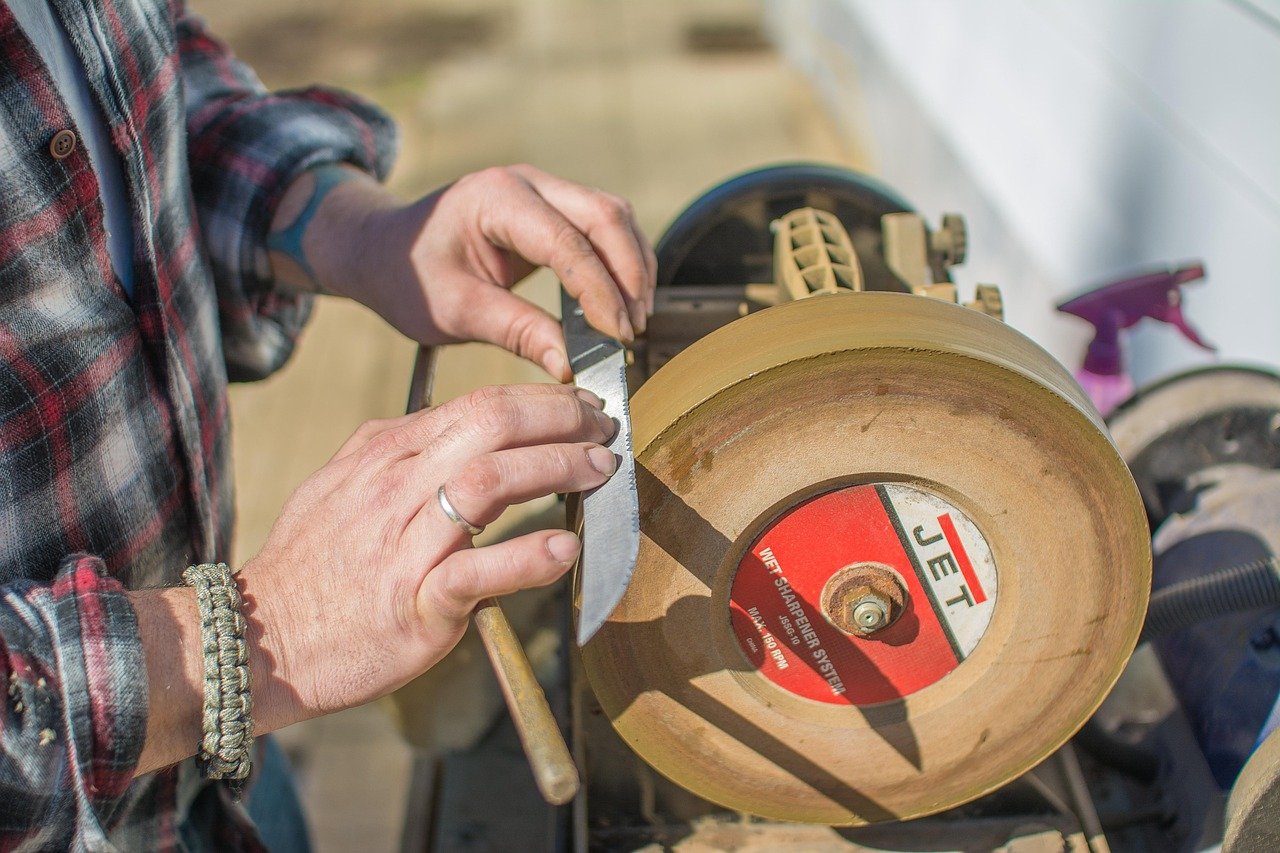
A blade sharpener is an essential tool for maintaining the effectiveness of knives and other cutting instruments. Whether you’re sharpening kitchen knives, gardening tools, or even fishing gear, using a blade sharpener properly can greatly extend the lifespan and performance of your blades.

Types of Blade Sharpeners
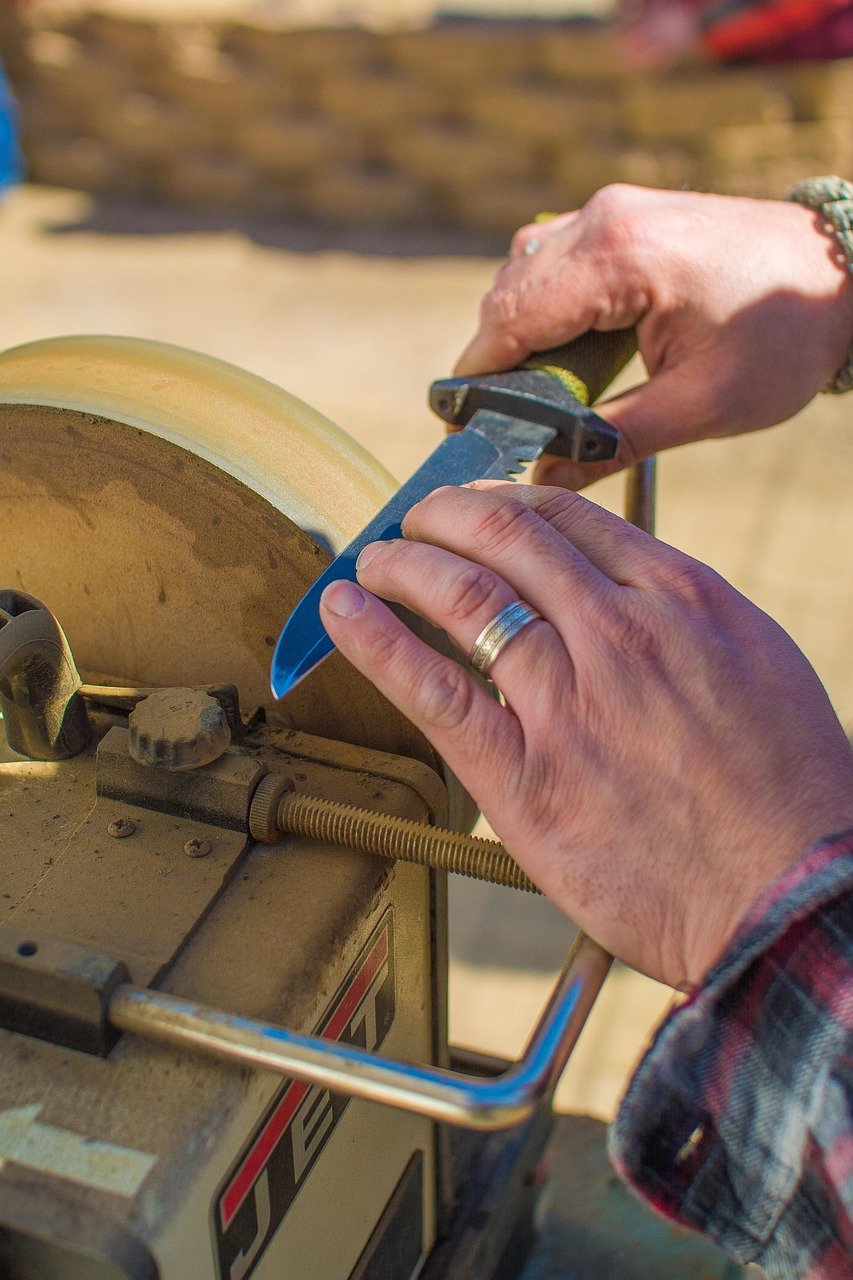
Before diving into the proper techniques, let’s explore the various types of blade sharpeners:
- Manual Sharpeners: These often feature a V-shaped slot and are operated by inserting the blade and pulling it through. They are user-friendly and great for quick touch-ups.
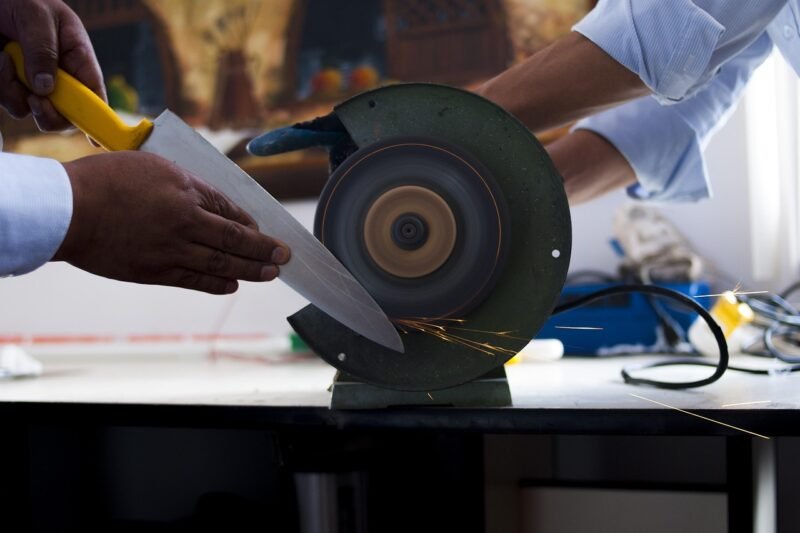
- Electric Sharpeners: These are more advanced tools that automate the sharpening process, offering speed and efficiency but may require careful handling to avoid overheating the blade.
- Whetstones: This traditional method involves manually sharpening the blade across a stone surface. It offers great results with some practice and is favored by professional chefs.
- Ceramic Rods and Honing Steel: These are mainly for honing rather than sharpening, aligning the blade’s edge without removing much material.
Preparing to Sharpen
Choose the Right Tool: Your choice of sharpener should match the type of blade you are sharpening. A high-quality kitchen knife might require a whetstone, while a pocket knife may work well with a manual sharpener.
Clean Your Blade: Before sharpening, ensure the blade is clean. Wash it with soap and water and dry it thoroughly to avoid dirt or old grease interfering with the sharpening process.
Select the Correct Angle: Most kitchen knives are best sharpened at a 20-degree angle, while Japanese knives can be at 15 degrees. Many sharpeners provide angle guides, making this step easier.
Step-by-Step Guide to Using a Blade Sharpener
Using a Manual Sharpener
Position the Sharpener: Secure the sharpener on a flat surface. Some models have a suction base which enhances stability.
Insert the Blade: Holding the handle firmly, insert the blade into the V-shaped slot. Ensure the base of the knife aligns with the slot properly.
Pull Through: With controlled pressure, pull the knife through the sharpener from the heel to the tip in a single, smooth motion. Repeat this action about 5-10 times per side, referring to the manufacturer’s instructions for specific guidelines.
Using an Electric Sharpener
Power On: Plug in the sharpener and power it on, ensuring you are following the manufacturer’s safety recommendations.
Insert the Blade: Place the knife in the designated slot, applying slight pressure.
Follow the Cycle: Allow the sharpener to do its job, usually indicated by built-in timers or lights. Do not pull the knife out until the cycle is complete.
Using a Whetstone
Soak the Whetstone: If you’re using a water whetstone, soak it completely for about 10-15 minutes.
Stabilize the Stone: Place the stone on a non-slip surface or use a towel underneath to prevent sliding.
Sharpening Technique:
- Hold the knife at the desired angle against the stone.
- Push the blade across the stone in a sweeping motion, from heel to tip. Use even, moderate pressure.
- Alternate sides after several strokes—typically 5-10 per side—until you achieve the desired sharpness.
Rinse and Dry the Blade: After sharpening, clean your blade to remove any metal filings.
Maintaining Your Blade
Once sharpened, maintaining the sharpness of your blade is crucial. Here are a few tips:
- Use a Honing Steel Regularly: This aligns the edge and prolongs sharpness without removing significant material.
- Store Properly: Keep knives in a dedicated knife block, magnetic strip, or sheaths to protect the blade.
- Avoid Hard Surfaces: Cutting on glass or stone can dull your blade quickly. Opt for plastic or wooden cutting boards instead.
Safety Practices
When using a blade sharpener, always prioritize safety:
- Cut Away from Yourself: Always pull the blade through the sharpener in the opposite direction of your body.
- Wear Protective Gear: Consider wearing cut-resistant gloves to ensure your hands are safe while sharpening.
- Ensure Children are at a Safe Distance: Keep the sharpening area limited to adults only, especially with electric models.
Troubleshooting Common Issues
- Blade Not Sharpening: If the blade isn’t becoming sharper, check if it’s blunt beyond the point of simple sharpening; some blades require professional attention.
- Uneven Edge: This often occurs with improper angle maintenance. Reassess and adjust the sharpening technique.
- Overheating: Electric sharpeners can heat the blade. Ensure you’re applying the right amount of pressure and not over-sharpening.
Advantages of Regular Sharpening
Regularly using a blade sharpener provides numerous benefits, such as:
- Efficiency: Sharp blades cut smoothly and require less force, making cooking or crafting easier.
- Safety: A sharp knife is safer than a dull one, as it requires less pressure and is less likely to slip.
- Longevity: Proper maintenance through regular sharpening enhances the lifespan of your blade, making it a worthwhile investment.
Conclusion
Mastering the art of blade sharpening takes practice and patience. Using the right techniques and tools, along with proper maintenance and safety practices, can lead to optimal results and sharper blades that significantly enhance your cutting efficiency. Whether you are a home cook, a professional chef, or an outdoor enthusiast, understanding how to use a blade sharpener properly is a skill that pays off abundantly.