


Understanding Your Slicing Knife
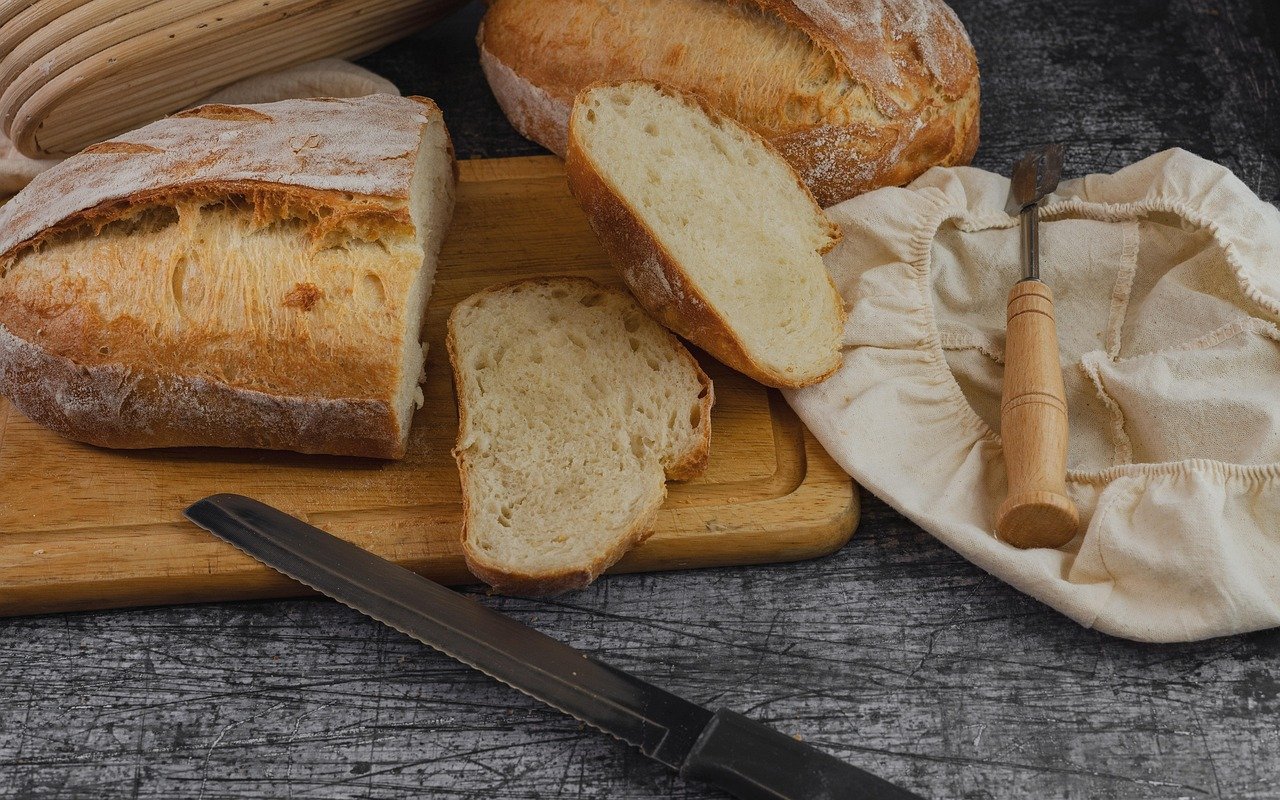
Slicing knives are specialized kitchen tools designed for precision cutting, ideal for meats, fish, and bread. Typically longer than standard knives, they allow for smooth, even slices without tearing. Understanding the anatomy of your slicing knife, including the blade, handle, and tang, can help you appreciate its needs and the importance of maintenance for longevity.
Regular Cleaning After Each Use
One of the most fundamental maintenance tasks is cleaning your slicing knife properly after each use. Follow these guidelines to avoid damaging the blade and maintaining hygiene:
Hand Wash: Always hand wash your knife using warm soapy water. Avoid putting it in the dishwasher, as the high heat and harsh detergents can deteriorate the blade and handle.
Use a Soft Cloth or Sponge: Opt for a soft sponge or cloth to clean the knife to prevent scratching the blade’s surface.
Rinse and Dry Immediately: After washing, rinse the knife under warm water and dry it immediately with a towel to prevent moisture from causing rust or corrosion.
Avoid Abrasive Cleaners: Never use steel wool or abrasive scouring pads, as they can scratch the knife.
Proper Storage Techniques
Storing your slicing knife correctly is crucial for preventing damage and ensuring safety:
Use a Knife Block or Magnetic Strip: These options protect the blade’s edge and keep it accessible. A knife block offers physical protection, while a magnetic strip allows for easy access and airflow around the blade.
Avoid Drawers: Never store your knife loose in a drawer, as it can collide with other utensils, resulting in dulling or chipping the edge.
Blade Guards: If you prefer to store your knife in a drawer, consider using a blade guard. These guards protect the edge and can prevent accidents when searching for other utensils.
Keep Away from Direct Heat and Moisture: Ensure that your storage area is not exposed to extreme temperatures or moisture, which can lead to deterioration.
Sharpening Your Slicing Knife
Maintaining a sharp edge is essential for the performance of your slicing knife. Dull blades require more pressure, increasing the risk of slipping and accidents. Here are some effective methods to keep your knife sharp:
Whetstone Sharpening: Using a whetstone offers precise control. Soak the stone in water for about 10-15 minutes, then use a 20-degree angle to sharpen each side of the blade for about 10 strokes.
Professional Servicing: If you’re unsure about sharpening, consider professional servicing. Most kitchen supply stores offer sharpening services, ensuring your knife gets the attention it needs.
Honing Rods: Regularly using a honing rod can help maintain the edge between sharpening. A few light passes before and after each use can keep the blade aligned.
Angle Consistency Is Key: Consistently maintain the same sharpening angle each time for uniform results and avoid altering the blade’s structure.
Maintaining the Handle and Ferrule
The handle and ferrule of your slicing knife also require attention to keep the knife functional and safe:
Inspect for Damage: Regularly inspect the handle for signs of wear, cracks, or loosening. If a handle becomes loose, the knife can become unsafe to use.
Oil Wooden Handles: If your knife has a wooden handle, periodically apply food-safe mineral oil to protect the wood and keep it from drying out or cracking.
Clean the Handle: Wipe the handle with a damp cloth after each use to remove any food particles or grease that may accumulate.
Avoid Soaking: Never soak the handle in water or expose it to excessive moisture, especially if made of wood.
Using the Right Cutting Surface
The surface on which you cut directly affects both the knife and the food being prepared. Here’s what to consider:
Use a Cutting Board: Always use a cutting board to protect the knife’s edge. Wood or plastic boards are preferred; glass or marble surfaces can dull the blade quickly.
Choose the Right Material: Wooden boards are gentler on knife edges, while high-density polyethylene boards are durable and easy to sanitize.
Rotate Boards: If you notice significant dents or grooves in your cutting board, it might be time to replace it to maintain a smooth cutting surface.
Inspecting for Rust and Corrosion
Rust and corrosion can significantly reduce the lifespan of your slicing knife. Here are steps to mitigate these risks:
Regularly Inspect the Blade: Look for any signs of rust or discoloration. If you spot rust, use a rust eraser or fine steel wool to gently remove it.
Apply Avoidant Treatments: Consider applying a thin layer of food-grade mineral oil over the blade to protect against moisture.
Immediate Care: If your knife gets wet, dry it immediately and store it properly. Preventing rust starts with care directly after use.
Understanding Lifetime Care
Maintaining your slicing knife is not solely about daily care. Comprehensive lifetime care entails:
Professional Resharpening: Schedule professional resharpening annually or bi-annually, depending on usage, to maintain optimal performance.
Budget for Replacement: Over time, even with the best care, a knife may need to be replaced. Keep in mind the investment and plan accordingly to ensure you always have a high-quality slicing knife at hand.
Educate Yourself: Attend workshops or read literature about knife care to refine your skills and knowledge. The more you know, the better you can care for your knives.
Resource the Best Materials: Invest in high-quality knives made of stainless steel or high-carbon stainless steel to enhance durability and longevity.
Maintaining a Routine
Establish a routine to ensure your slicing knife’s upkeep becomes second nature:
Create a Weekly Checklist: Include tasks such as inspecting the blade, sharpening, and cleaning the knife, and storing it properly.
Stay Organized: Create a designated storage area for your knife and ensure it is put away after every use to prevent damage.
Engage Family Members: If you cook with family, share the maintenance routine to distribute the care responsibility.
Reassess Regularly: Every few months, take stock of how your knife is performing, and adjust your maintenance routine as needed.
By following these comprehensive maintenance strategies, you can ensure that your slicing knife remains in optimal condition, providing precision and reliability in your culinary endeavors for many years to come.