



Understanding Knife Sharpening Frequency
Knowing how often to sharpen your kitchen knives can prolong their lifespan and maintain cutting efficiency. The frequency with which you should sharpen depends on several factors, including the knife’s purpose, your cutting habits, and the materials of both the knife and the items you’re cutting.
Signs That Your Knife Needs Sharpening
Recognizing the signs that your knife needs sharpening is crucial. Here are some indicators to watch for:
Difficulty Cutting: If you find yourself applying more pressure while cutting certain items, it’s a clear sign your knife is dull.
Nicked Edges: Look for visible nicks or damage on the blade’s edge, which can cause inconsistent cuts.
Uneven Cuts: If fruits, vegetables, or meats are tearing instead of slicing, this indicates a loss of sharpness.
Metallic Sound: Dulling blades often produce a different sound when slicing, usually less crisp than when it’s sharp.
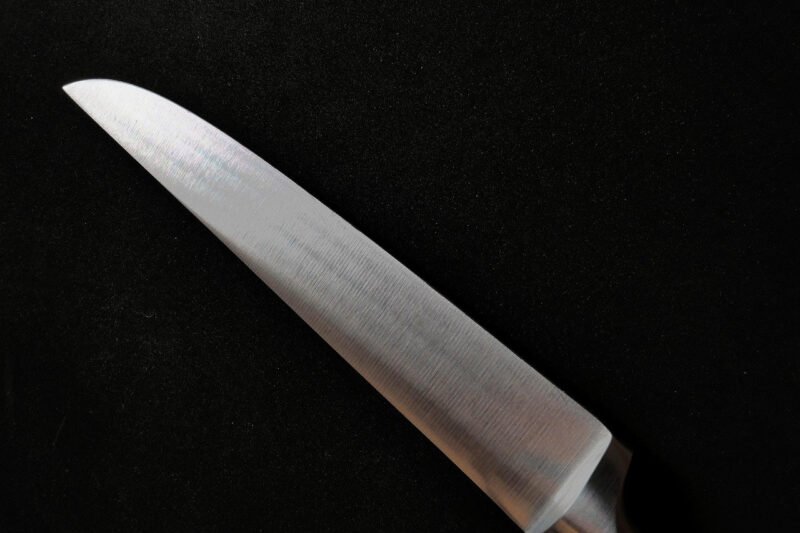
Visual Inspection: A close examination may reveal a shiny edge, which could suggest micro-dulling. If the edge looks uniformly shiny instead of having a fine, sharp flat, it likely needs attention.
Factors Influencing Sharpening Frequency
Type of Knife:
- Chef’s Knife: This versatile knife generally requires sharpening every 1-3 months with regular use.
- Paring Knife: Expect to sharpen every 3-6 months as they aren’t used as frequently.
- Serrated Knife: These typically don’t require sharpening as often, usually around once a year, but require special care since standard sharpening techniques can damage the teeth.
Usage:
- Home cooks might sharpen less frequently than professional chefs, so evaluate your culinary habits. If you use your knives daily for various tasks, monthly sharpening may be necessary.
Cutting Surface: Soft surfaces (like wood or plastic) are gentler on knives, while harder materials (like glass or ceramic) can dull them faster.
Knife Material:
- Stainless Steel: Dulls slower than high-carbon steel but still requires regular maintenance.
- High-carbon Steel: These perform superbly but require more frequent honing and sharpening, approximately every month of heavy use.
The Importance of Honing
Before deciding on sharpening, assess whether your knife merely needs honing. Honing realigns the blade’s edge rather than removing material. It’s advisable to hone knives more regularly—ideally before each use.
How to Hone Kitchen Knives
Using a Honing Steel:
- Hold the honing steel vertically.
- Angle your knife at 15-20 degrees against the steel.
- Draw the blade down and across the honing rod, alternating sides for even alignment.
- Perform this motion 5-10 times for optimal results.
Honest Visual: Regular honing can prevent excessive dullness, which makes actual sharpening sessions far less frequent.
Choosing the Right Sharpening Tools
Selecting appropriate sharpening tools is vital for maintaining your blades. Here are essential tools you may consider:
Whetstone: Preferred by many chefs, a whetstone allows for customizable angles and is excellent for achieving a sharp edge.
Electric Sharpener: Offers convenience but may remove more material than necessary, potentially shortening the knife’s lifespan.
Manual Pull-Through Sharpener: Suitable for quick touches but generally less effective than whetstones.
Diamond or Ceramic Rods: Effective for honing between sharpening sessions, ensuring your knife edges remain aligned.
Steps to Sharpen Your Knife with a Whetstone
Selecting a Grit: Start with a coarse grit (around 1000) for heavily dulled knives, switching to finer grits (3000-8000) for polishing.
Prepare the Whetstone: Soak in water for 10-15 minutes to reduce heat and facilitate sharpening.
Sharpening:
- Place the knife at a 20-degree angle against the stone.
- Draw the knife down as if slicing a thin layer off the top surface.
- Alternate the blade side after each stroke to ensure even sharpening.
- Repeat this process for 10-15 strokes on each side.
Maintaining Your Knives Post-Sharpening
Proper maintenance after honing and sharpening is essential for longevity.
Cleaning: Wash your knives immediately after use. Avoid dishwasher cleaning as high heat and chemicals can damage the blade and handle.
Drying: Hand dry knives to prevent water spots and corrosion.
Storage: Use knife blocks, magnetic strips, or sheaths to store your knives safely and prevent dulling feeds.
Practical Tips for Knife Care
Use the Right Knife for the Job: Avoid using a chef’s knife for tasks better suited for a paring knife to maintain sharpness.
Regular Inspection: Periodically check your knife edges and conditions, honing or sharpening as needed.
Limit Contact with Hard Surfaces: While ceramic and glass cutting boards can be attractive, they significantly dull edges compared to wooden or plastic boards.
Conclusion
Determining how often to sharpen your kitchen knives involves understanding their usage, type, and the wear and tear they undergo in a kitchen environment. By monitoring blade performance, using the right sharpening techniques, and caring for your equipment properly, you can keep your knives sharp and ready for culinary creativity. Remember, a sharp knife is not only more efficient but also safer, making food preparation a more enjoyable experience.