


Exploring Different Types of Sharp Knives: Which One is Right for You?
1. Chef’s Knife
The chef’s knife is often regarded as the cornerstone of any kitchen. Typically ranging from 6 to 12 inches in length, this versatile tool is perfect for slicing, dicing, and chopping a variety of ingredients. Its broad blade allows for a rocking motion when cutting herbs, while the tapered tip makes it suitable for intricate tasks such as mincing garlic. Chef’s knives can be found in various materials, including high-carbon stainless steel for durability and edge retention, as well as ceramic for a lightweight, easy-to-maintain option.
Maintenance Tips: Regular honing is essential to maintain the sharp edge, and it’s recommended to hand wash the knife rather than placing it in the dishwasher.
2. Paring Knife
The paring knife is a small knife, typically 3 to 4 inches long, designed for intricate tasks that require precision, such as peeling fruits and vegetables or cutting small garnishes. Its short, pointed blade allows for better control, making it ideal for delicate work.
When selecting a paring knife, look for a model with a comfortable grip to reduce hand fatigue during extended use. Some paring knives feature serrated edges, which can be beneficial for tasks like slicing tomatoes or citrus.
Maintenance Tips: A paring knife requires infrequent sharpening, but regular cleaning with mild soap and water is essential to prevent rust and maintain hygiene.
3. Santoku Knife
Originating from Japan, the Santoku knife is a general-purpose kitchen knife that excels in slicing, dicing, and mincing, much like the chef’s knife. However, the Santoku typically features a shorter blade (7 to 8 inches) with a flatter cutting edge and a rounded tip. Many Santoku knives also have dimples or “Granton edge” that create air pockets, reducing friction and preventing food from sticking to the blade.
High-quality Santoku knives are made from high-carbon stainless steel but can also be found in ceramic variants. They are especially favored for their ease of use and balance, making them approachable for novice cooks.
Maintenance Tips: Similar to chef’s knives, Santokus benefit from regular honing and should be hand washed to preserve their quality.
4. Utility Knife
The utility knife, sometimes referred to as a sandwich knife, is a smaller, more agile knife that ranges from 4 to 7 inches in length. Its blade is versatile, capable of performing several tasks, from slicing cheese to preparing sandwiches or cutting larger fruits and vegetables. A utility knife provides a balance between a paring knife and a chef’s knife, making it a handy tool for everyday cooking.
Quality utility knives often feature a straight or slightly serrated edge, designed for slicing through tougher crusts. The slight serration adds an extra layer of ease for busy kitchens.
Maintenance Tips: Light honing and regular cleaning are key for maintaining sharpness and hygiene.
5. Bread Knife
Bread knives are specialized serrated knives designed primarily for cutting through crusty bread without squashing it. Generally longer than other knives (typically 8 to 10 inches), their serrated edge slices through tough crusts with ease, making them indispensable in any bakery or home kitchen.
Maintenance Tips: To keep the serrated blade effective, it’s important to occasionally hone the edge, though they generally don’t require frequent sharpening due to their design.
6. Boning Knife
A boning knife is a specialized knife designed to debone meat and fish. Its thin, flexible blade features a length of 5 to 7 inches, allowing for tight, precise cuts around bones and joints. The flex in the blade is crucial for maneuvering through complex cuts, while the sharp, narrow edge minimizes waste during meat preparation.
Selecting a quality boning knife often begins with considering the type of meat you will be working with: a stiffer blade is preferable for poultry, while a more flexible blade suits fish.
Maintenance Tips: Regularly honing the blade will ensure sharpness, and it’s best to hand wash these knives to maintain their integrity.
7. Fillet Knife
Similar to the boning knife, the fillet knife is used primarily for fish preparation. However, the fillet knife features an even thinner and more flexible blade, often 6 to 9 inches in length. This design allows for delicately removing skin and filleting fish without damaging the flesh.
A good fillet knife should have a non-slip grip for safety, especially when working with slippery fish. It’s also advisable to look for knives designed with a curved blade to enhance the cutting motion.
Maintenance Tips: Clean and dry the knife immediately after use to prevent rust, and sharpen it often for optimal performance.
8. Chef’s Paring Knife
Combining features of both chef’s and paring knives, the chef’s paring knife typically measures around 4 to 6 inches. This hybrid knife is perfect for those who want a smaller, more manageable version of a chef’s knife, ideal for executing tasks in tight spaces.
Kitchen enthusiasts often reach for a chef’s paring knife when performing intricate tasks that require precision combined with the power of a chef’s knife.
Maintenance Tips: Regular honing and quick wiping are key to maintaining hygiene and sharpness.
9. Cleaver
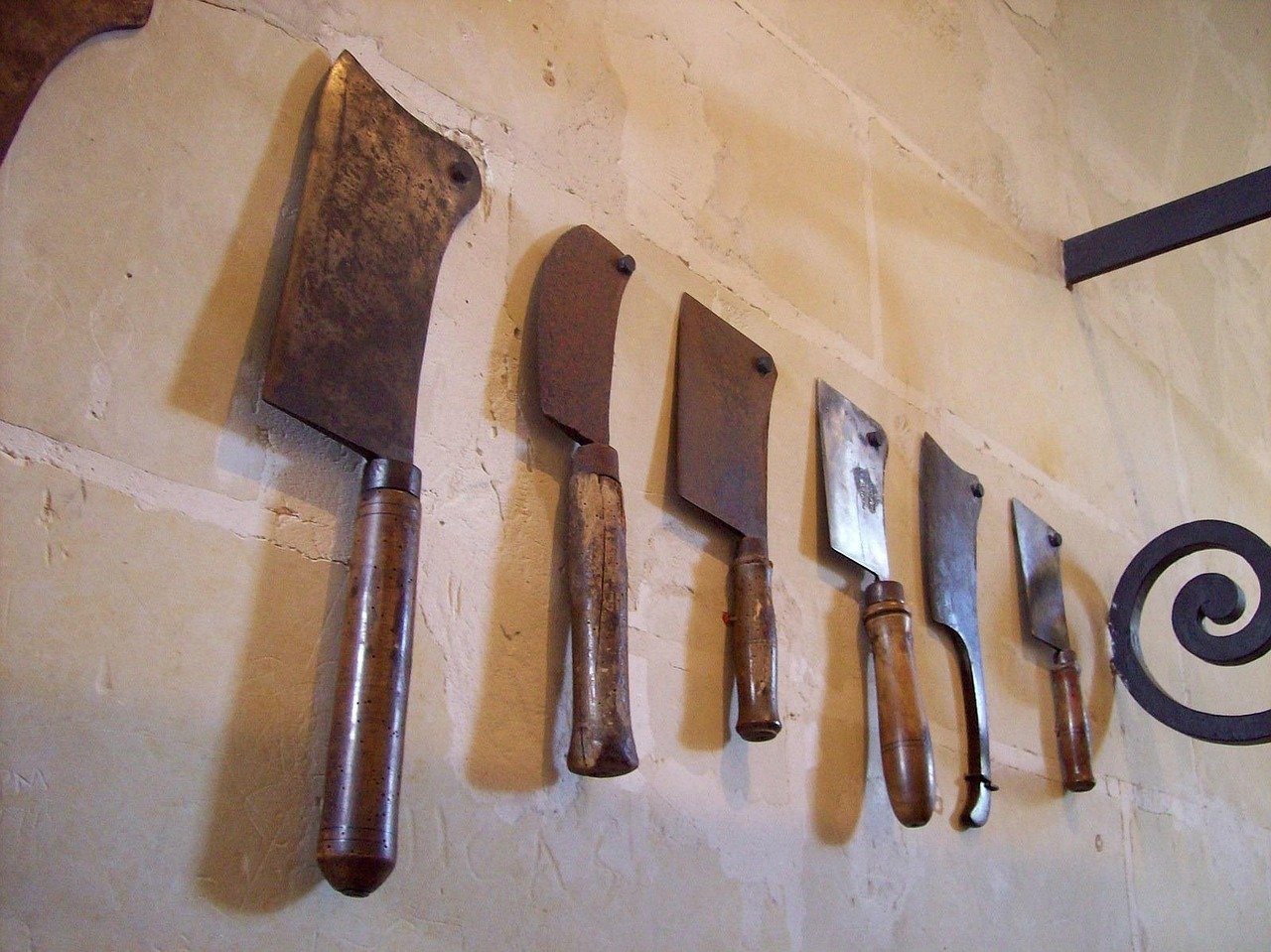
The cleaver is a heavy-duty knife used primarily for chopping through bones and large cuts of meat. Its wide blade (generally 6 to 12 inches) can handle tough tasks that require considerable force. While they may seem intimidating, cleavers can also be used for more delicate kitchen work, like mincing vegetables.
Quality cleavers are typically made from high-carbon stainless steel, ensuring durability and an edge that can withstand heavy use.
Maintenance Tips: Regular sharpening is essential due to the heavy usage, and thorough cleaning is crucial, given that they often come into contact with raw meat.
10. Specialty Knives
Beyond the usual categories, there are numerous specialty knives suited for specific tasks, such as the oyster knife, tomato knife, and peeler. Each of these tools has a design tailored to a particular type of food or method of preparation.
When choosing specialty knives, consider what types of cooking you do most often. If you frequently prepare seafood, for instance, investing in a high-quality oyster knife might drastically improve your efficiency in the kitchen.
Maintenance Tips: Each specialty knife typically requires specific care guidelines tailored to its unique design and purpose.
Choosing the Right Knife for Your Needs
When selecting a knife, consider factors such as blade material, length, grip comfort, and your specific cooking style. High-quality knives are an investment that pays off in both ease of use and the quality of your food preparation.
Regardless of your experience level, picking the right sharp knife is an essential part of creating a satisfying culinary experience. Explore each type and learn which ones work best for your kitchen needs.