

Understanding Blade Anatomy
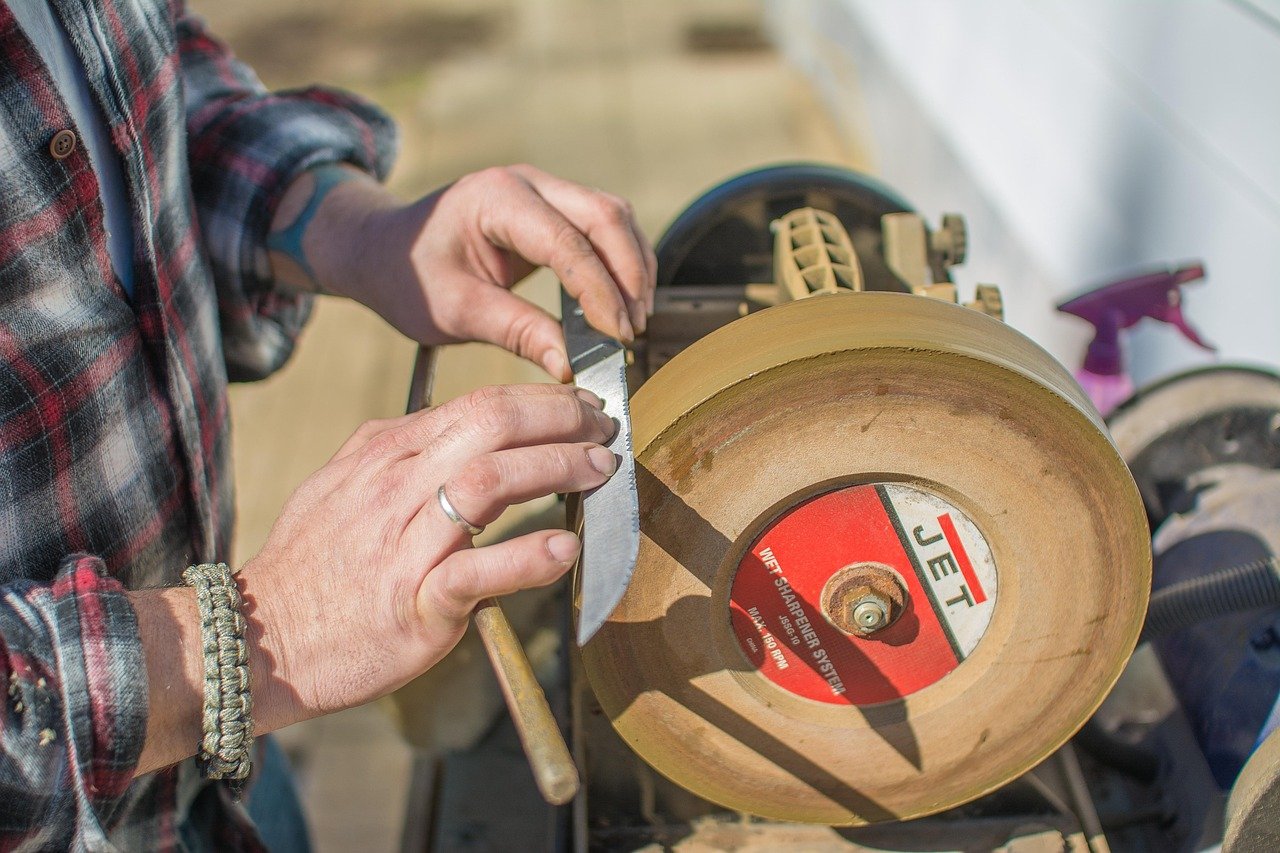
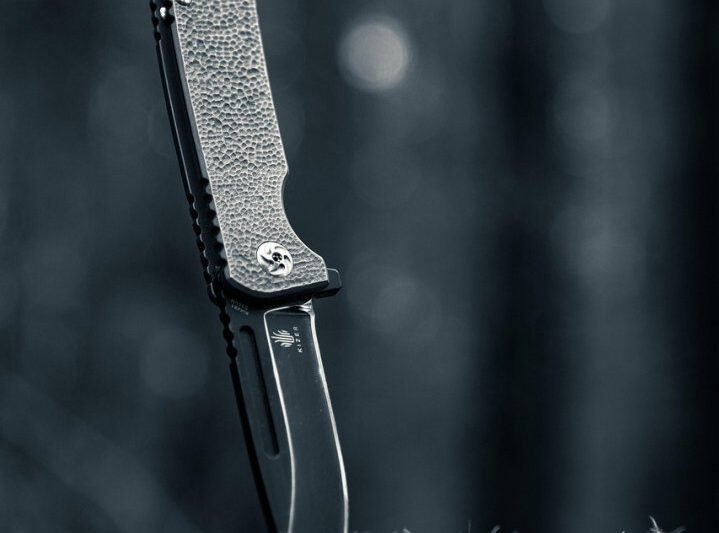
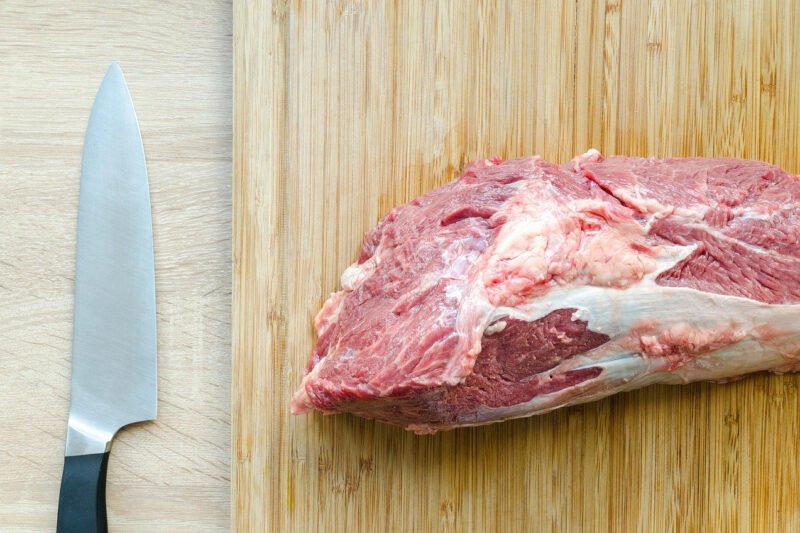
To sharpen a knife effectively, first understand its anatomy. The blade consists of several key components:
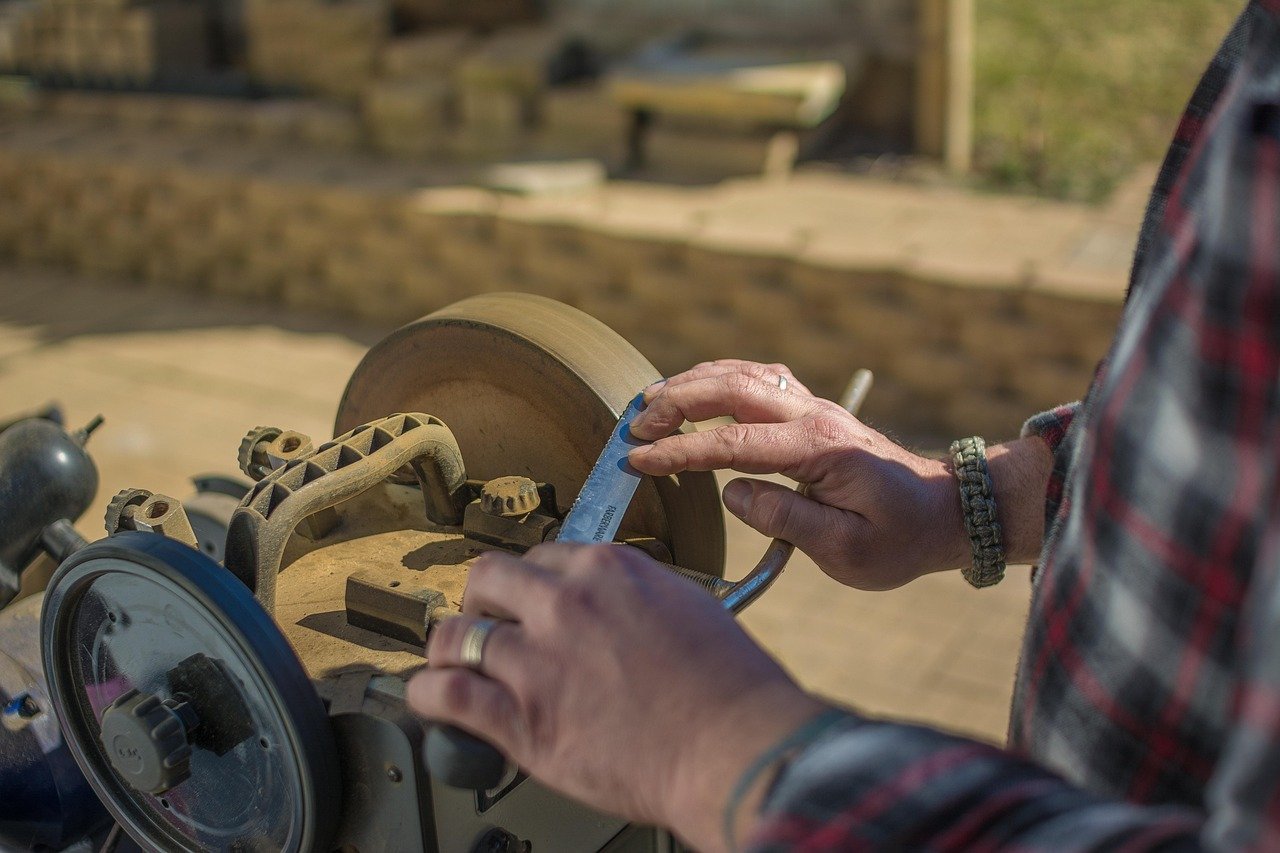
- Edge: The sharp part of the knife that performs the cutting.
- Bevel: The angled surface that forms the edge; it can be single or double beveled.
- Spine: The top, thicker part of the blade which provides strength.
- Heel: The rear part of the edge used for cutting tasks that require more force.
- Tip: The front point of the blade used for delicate work like piercing.
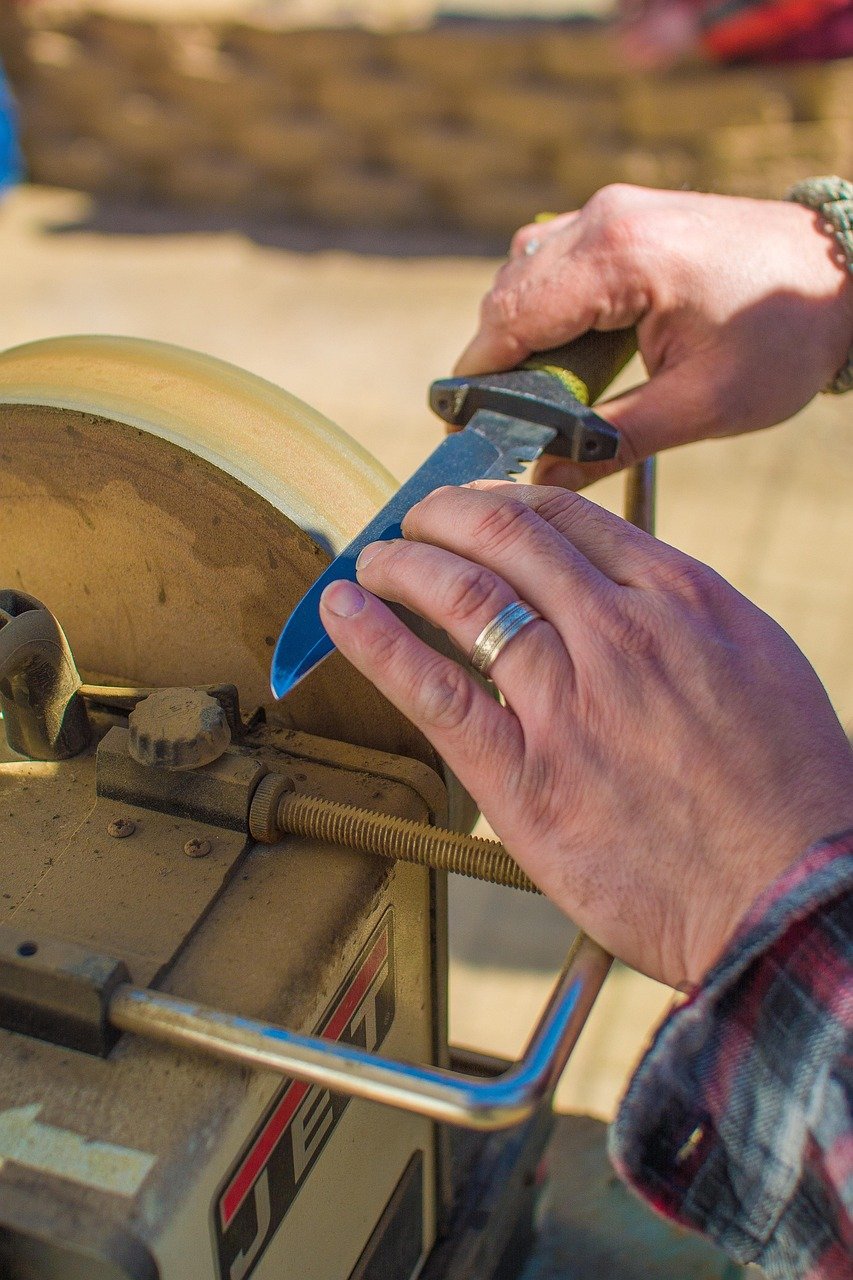
Importance of Knife Sharpening
A well-sharpened knife ensures precision, safety, and efficiency in the kitchen. Dull knives require more pressure, increasing the risk of slips and accidents. Moreover, sharp knives produce cleaner cuts that preserve the food’s texture and flavor.
Common Blade Materials
Different materials impact sharpening techniques:
- Stainless Steel: Resilient and corrosion-resistant, but harder to sharpen.
- Carbon Steel: Holds an edge well but can rust; requires frequent maintenance.
- Ceramics: Lightweight and stay sharp longer, but can chip easily.
Essential Tools for Blade Sharpening
- Whetstone: A preferred method; allows for precise angle control.
- Honing Rod: Maintains the edge between severe sharpenings.
- Electric Sharpener: Convenient but can be aggressive.
- Manual Sharpener: User-friendly and portable; offers various stages of sharpening.
- Strop: A leather strap used to polish the edge after sharpening.
Whetstone Technique
Selecting a Whetstone
Choose a whetstone with a grit suitable for your knife’s condition. A coarser grit (200-600) is for dull knives, while a finer grit (1000-3000) is for touch-ups.
Sharpening Steps
- Preparation: Soak the whetstone in water for 10-15 minutes.
- Positioning: Place the stone on a stable, non-slip surface.
- Angle Adjustment: Hold the knife at a 20-degree angle to the stone.
- Stroke Technique:
- Start from the heel and move towards the tip of the blade.
- Use light, consistent pressure and maintain the angle throughout the stroke.
- Alternate sides after every 5-10 strokes to ensure even sharpening.
- Finishing Touch: Switch to a finer grit and repeat the process to refine the edge.
Honing Rod Technique
Using a honing rod regularly prolongs the sharpness of your knife.
Steps to Hone
- Angle: Hold the rod vertically and position the knife at a 15-20 degree angle.
- Stroke Motion: Starting from the heel, pull the knife down the rod towards the tip, ensuring to cover the entire edge. Alternate sides after several strokes.
Electric Sharpener Technique
Electric sharpeners offer a quick, albeit less precise, sharpening.
Steps to Use
- Read Instructions: Familiarize yourself with the manufacturer’s guidelines.
- Placement: Plug in the sharpener and place it on a flat surface.
- Sharpening Process: Slow and steady application is key. Insert the knife into the designated slot and allow the machine to do the work.
Manual Sharpener Technique
Manual sharpeners offer convenience for quick edge maintenance.
Steps to Use
- Select the Slot: Most manual sharpeners have different slots for coarse and fine sharpening.
- Sharpening Motion: Insert the blade and pull it through with a smooth, steady motion. Repeat as needed.
Strop Technique
Stropping is essential for achieving a razor-thin edge post-sharpening.
Steps to Strop
- Preparation: Apply a polishing compound to the leather strop.
- Angle Maintenance: Hold the knife at a 10-15 degree angle.
- Light Pressure: Drag the blade away from the edge’s tip, covering the full length of the blade.
Maintenance Between Sharpening
- Regular Honing: Incorporate honing rods into your regular routine.
- Washing and Drying: Always wash and dry your knives after use to prevent corrosion.
- Storage: Store knives in a block or magnetic strip to protect the edge.
Troubleshooting Common Issues
- Uneven Edge: Ensure consistent angle and pressure while sharpening.
- Chipped Blade: Use a coarser grit on the whetstone and work carefully.
- Difficulty in Sharpness: Check your technique or consider professional sharpening for severely damaged blades.
FAQs on Knife Sharpening
How often should I sharpen my knife? Depending on usage, every few weeks for regular cooks, or after every few uses for enthusiasts.
Can I ruin my knife by sharpening it? Yes, improper techniques can damage the blade; following guidelines is critical.
Is it better to hone or sharpen? Honing maintains sharpness; sharpening should be reserved for when the edge goes dull.
Conclusion
Incorporating these expert techniques into your blade maintenance routine enhances your culinary experience. Proper tools and methods transform a mundane chore into an enjoyable task, improving safety and efficiency daily.