
The Importance of a Sharp Serrated Knife
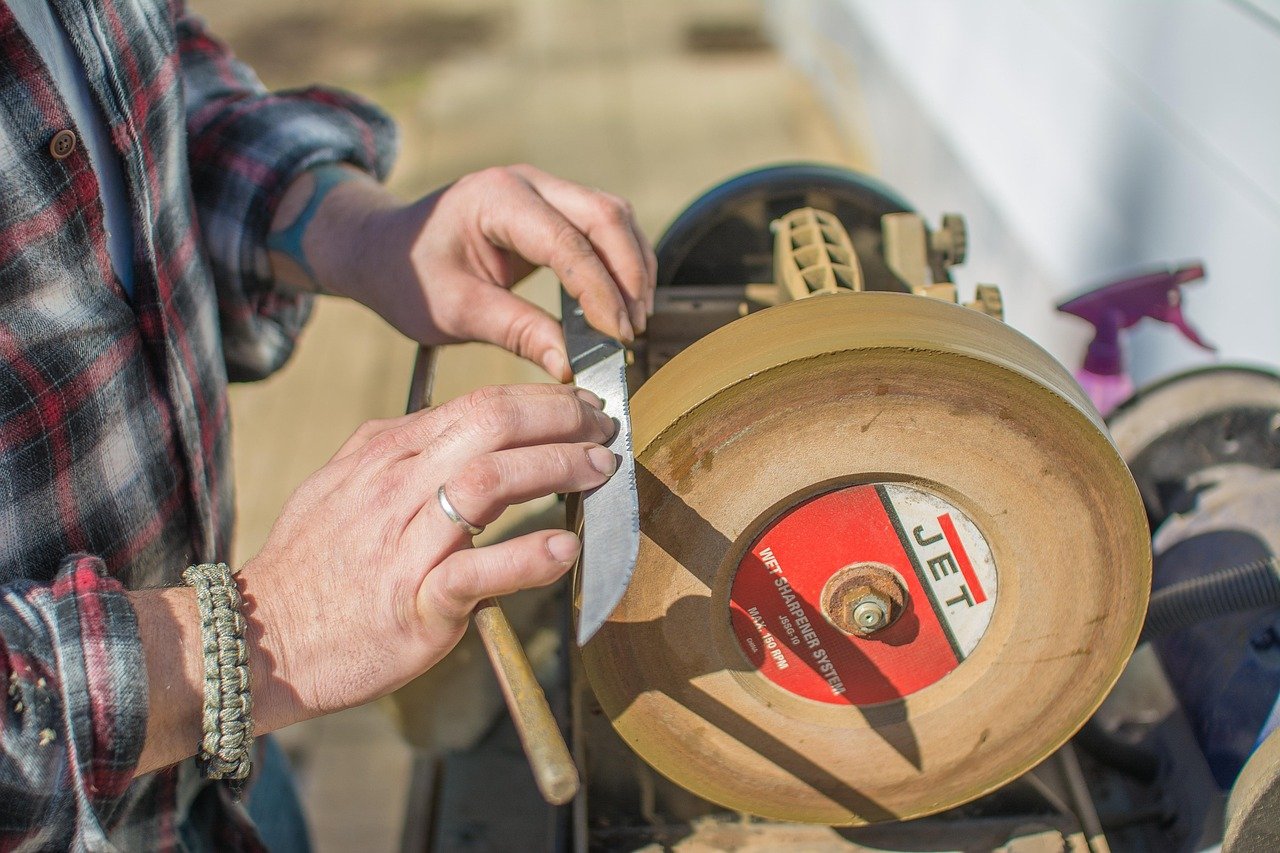
A serrated knife is a kitchen essential, particularly for slicing bread. Its unique design, featuring a saw-like edge, allows it to cut through crusty loaves and delicate pastries without crushing them. However, even the best serrated knives lose their sharpness over time. Unlike straight-edged knives, which can be honed easily, serrated blades require specialized sharpeners to restore their cutting edge effectively.
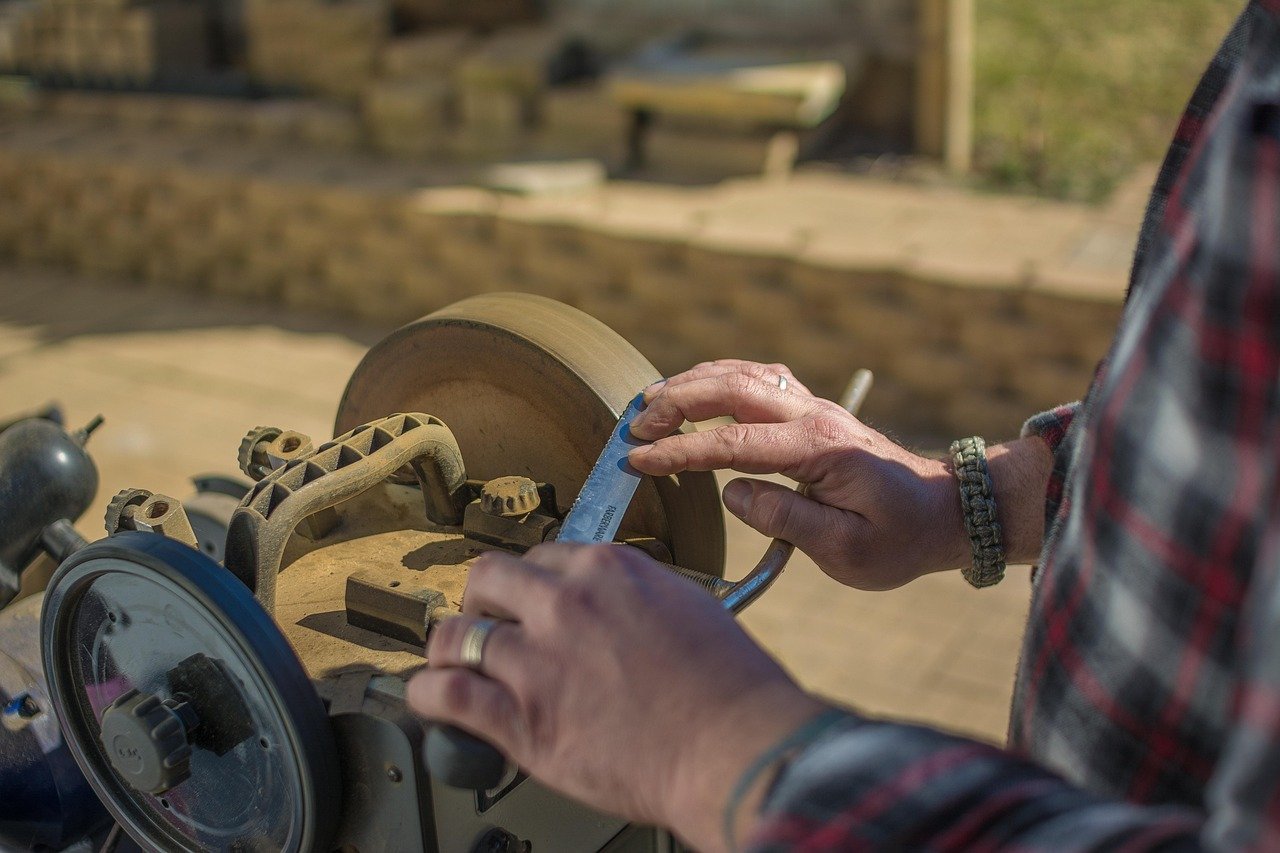
How Serrated Knives Get Dull
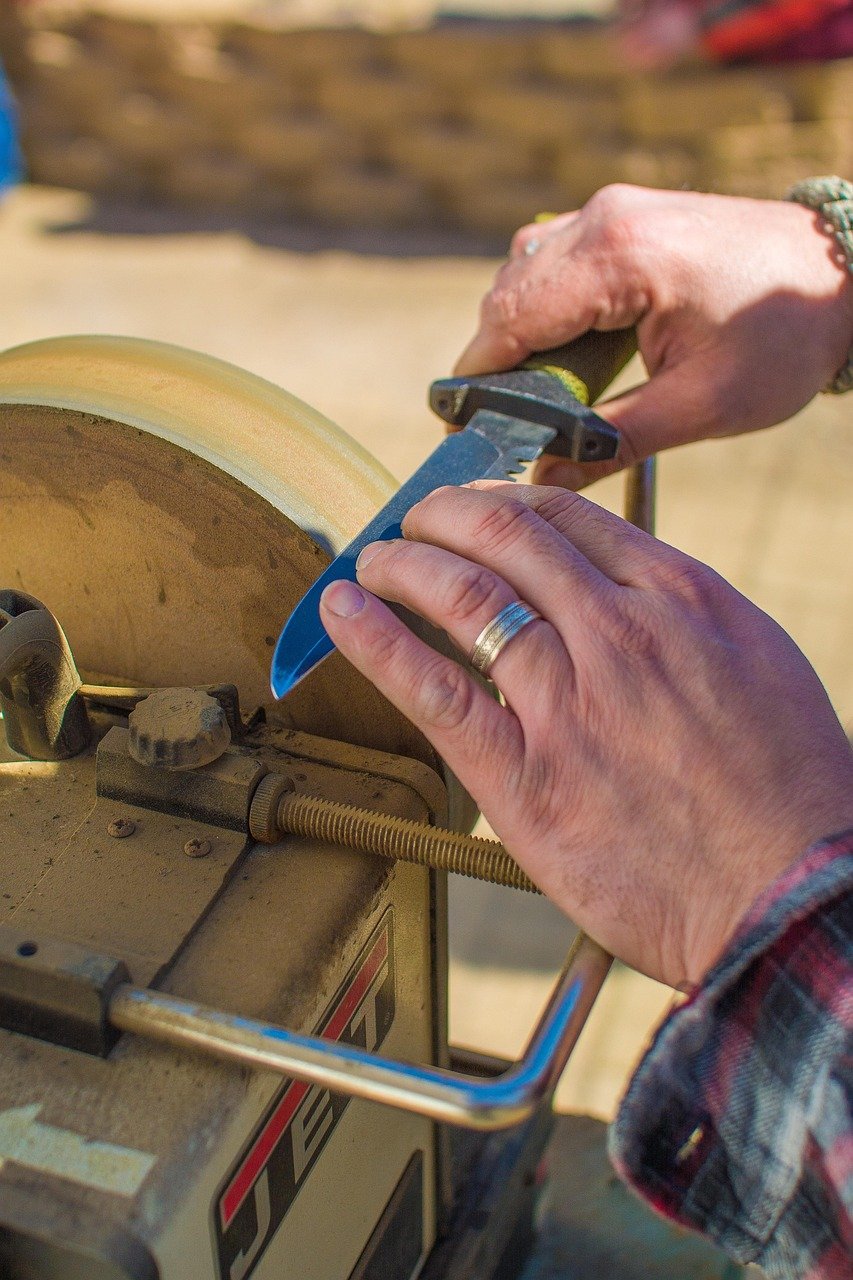
Serrated knives dull through regular use and repeated contact with hard surfaces and foods. When their serrations become worn, they can no longer efficiently slice through food. This affects the quality of your cuts, leading to uneven slices and potentially damaging the bread or delicate cheeses.
Benefits of Using a Serrated Knife Sharpener
Using a dedicated serrated knife sharpener offers several benefits:
- Preserves the Blade’s Integrity: A specialized sharpener is designed to maintain the serrations’ shape and structure.
- Improved Cutting Performance: A sharp knife ensures cleaner cuts, enhancing your food presentation.
- Longer Lifespan: Regular sharpening extends the lifespan of your serrated knife, making it a valuable investment.
Types of Serrated Knife Sharpeners
1. Electric Sharpeners
Electric sharpeners provide speed and convenience. They often have a designated slot for serrated knives, ensuring that the sharpener aligns with the unique shape of the blade. While electric sharpeners can be more expensive, they are efficient and user-friendly.
Pros:
- Quick sharpening process
- Consistent results
Cons:
- Higher cost
- Can be bulky to store
2. Manual Sharpeners
Manual sharpeners come in various forms, including handheld devices and sharpening rods. They require a bit more skill and time but can be just as effective when used correctly.
Pros:
- Portable and easy to store
- Typically less expensive
Cons:
- Requires practice to achieve optimal results
- Slower than electric options
3. Sharpening Rods
Sharpening rods, often made from ceramic or diamond-coated materials, are designed specifically for serrated blades. Users can slide the rod through the serrations to sharpen each individual tooth carefully.
Pros:
- Precise sharpening
- Compact design
Cons:
- Time-consuming
- Requires a steady hand
Top Serrated Knife Sharpeners
1. Work Sharp Knife & Tool Sharpener
The Work Sharp Knife & Tool Sharpener is an electric option that excels in sharpening serrated and straight knives alike. It incorporates a flexible abrasive belt system, making it versatile and efficient. The adjustable guide helps ensure the right angle, and the design prevents overheating of the blade.
2. Wüsthof Precision Edge 2-Stage Knife Sharpener
A well-known name in kitchen cutlery, Wüsthof offers this manual sharpener specifically designed for serrated knives. It features two stages: a coarse sharpening slot for dull blades and a finer slot for honing. Its ergonomic design allows for easy handling, and its compact size makes it fit seamlessly in any kitchen drawer.
3. Chef’sChoice Pronto 4643 Manual Knife Sharpener
This manual sharpener is suitable for both serrated and straight blades. With its three-stage system, it provides a thorough sharpening process. The ergonomic design and dual-angle feature make it user-friendly and effective at restoring your knife’s edge.
4. Smith’s Pocket Pal Multifunction Sharpener
It’s compact and portable, making it ideal for outdoor cooking or picnics. This sharpener has a ceramic rod that fits serration sizes and can easily sharpen fillet knives as well. Its lightweight design and affordability make it a practical choice for on-the-go sharpening.
5. DMT Diafold Serrated Knife Sharpener
This diamond-coated sharpener is revered for its durability and efficiency. It’s handheld, making it easy to use and store. The flat design allows for sharpening larger serrations effectively. Users appreciate its portability and the speed it offers in sharpening.
Tips for Sharpening Your Serrated Knife
Understand the Angle: Typically, a serrated knife should be sharpened at an angle between 15 and 20 degrees. Ensure the sharpener matches this angle for best results.
Sharpen Each Serration: Focus on sharpening each individual serration. Skipping any serrations will result in an inconsistent edge.
Use Gentle Pressure: Applying too much pressure can damage the serrations. Instead, use a light touch and let the sharpener do the work.
Maintain the Knife: Regularly clean your knife after use. Keeping it clean can extend the intervals between sharpening sessions.
Practice Safe Handling: Always ensure the knife is securely held while sharpening. Use gloves or a cloth to protect your hands from accidental slips.
Follow the Manufacturer’s Instructions: Every sharpener may have slight variations in use, so it’s always a good idea to refer to the manual for guidance.
Conclusion
With the right tools and techniques, maintaining the sharpness of your serrated knife can be easy. Investing in a good serrated knife sharpener not only enhances your culinary effectiveness but also prolongs the life of your kitchen tools. Whether you choose an electric sharpener for ease, a manual option for portability, or a dedicated sharpening rod for precision, a sharp serrated knife can elevate your cooking and make food preparation more enjoyable.