


5 Common Mistakes When Sharpening Knives and How to Avoid Them
Sharpening knives is an essential skill for both home cooks and culinary professionals. A sharp knife enhances efficiency, precision, and safety in the kitchen. However, many people make common mistakes that can lead to poor sharpening results or even damage their knives. Below are five mistakes to avoid and tips on how to sharpen knives effectively.
1. Using Incorrect Angle
One of the most significant errors when sharpening knives is not maintaining the correct sharpening angle. The angle determines how effectively the edge can slice through food, as well as the durability of the sharpened edge.
Common Mistake: Sharpening at the wrong angle can lead to an ineffective edge or even damage the blade. For example, Japanese knives typically require a 15-degree angle, while Western-style knives may need an angle closer to 20 degrees.
How to Avoid It: To sharpen your knives correctly, first determine the original angle of the blade. You can often find this information in the manufacturer’s guidelines. Use a sharpening tool that allows you to maintain the specified angle, like a guided sharpening system or an angle guide. If you’re sharpening freehand, practice maintaining a stable angle by using visual cues or placing a reference line on a sharpening stone.
2. Overusing Electric Sharpeners
Electric sharpeners can seem like a quick and easy solution for knife sharpening; however, they come with their set of pitfalls.
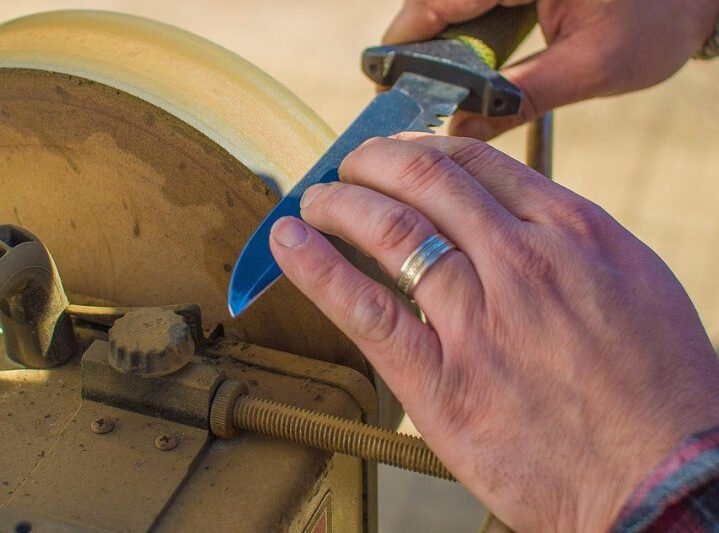
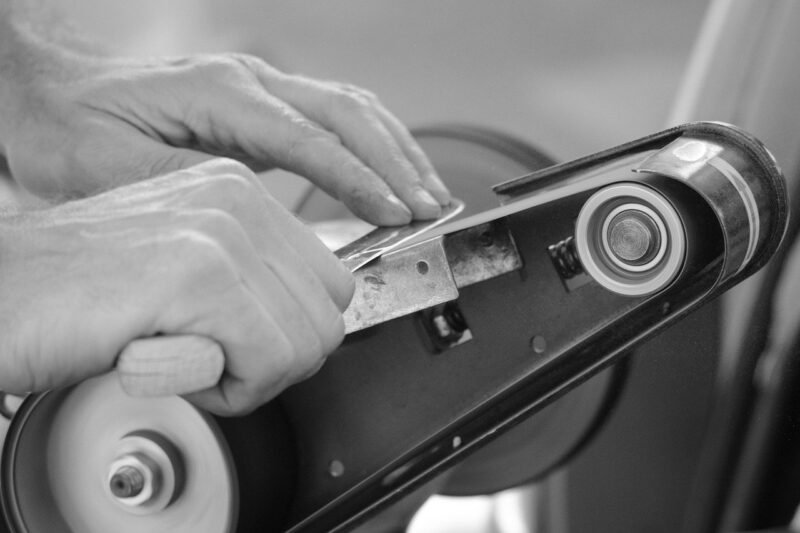
Common Mistake: Relying heavily on electric sharpeners can lead to excessive metal removal, which shortens the lifespan of a knife. They can also produce uneven sharpening results due to inconsistent pressure and speed.
How to Avoid It: Reserve electric sharpeners for routine maintenance, while opting for whetstones or honing rods for more precise sharpening. Learning to use a whetstone can offer more control and produce a superior edge. For best results, choose a whetstone suited to your knife’s material and practice sharpening at a consistent angle.
3. Ignoring Different Blade Materials
Not all knives are created equal; different blade materials require specific sharpening techniques.
Common Mistake: Using the same sharpening method across all knife types can lead to poor outcomes and potential damage. For instance, ceramic knives and high-carbon steel knives need different levels of care.
How to Avoid It: Identify the material of your knives and adapt your sharpening technique accordingly. For stainless steel blades, traditional whetstones or manual sharpeners work well. Ceramic knives, on the other hand, require diamond-based sharpening tools. Make sure to familiarize yourself with the best practices for each material to ensure an effective sharpening process.
4. Neglecting Regular Maintenance
Many knife users overlook the importance of regular maintenance. Just like any tool, knives require upkeep to remain effective.
Common Mistake: Waiting until a knife is severely dull to sharpen it can lead to more intensive sharpening sessions, which can be damaging and time-consuming. Additionally, neglecting to hone the knife between sharpening can cause loss of sharpness.
How to Avoid It: Incorporate honing into your routine. A honing steel helps realign the edge before it becomes too dull. It’s ideal to hone your knife every few uses. Schedule regular sharpening sessions based on your knife usage frequency—every few months for home cooks and more often for avid chefs. Keeping your knives sharp and well-honed not only improves performance but also makes the sharpening process easier.
5. Failing to Clean the Knife After Sharpening
Most sharpening processes produce debris from the blade and the sharpening medium, which can lead to contamination or corrosion if not cleaned properly.
Common Mistake: Skipping the cleaning step post-sharpening can leave particles on the knife that may impair performance or compromise food safety.
How to Avoid It: After sharpening, it is vital to clean your knife with warm, soapy water, and dry it thoroughly. Make it a habit to wipe off your knife right after sharpening, and routine maintenance can help prolong the life of your knife. Apply a light coat of food-safe mineral oil to protect high-carbon steel knives from rust if necessary.
Additional Tips for Effective Knife Sharpening
Use Quality Sharpening Tools: Always invest in high-quality sharpening tools. A good whetstone or honing rod can greatly enhance the sharpening experience and results.
Take Your Time: Rushing the sharpening process can lead to mistakes. Go slowly; consistency is key to achieving a sharp edge.
Test the Edge: After sharpening, perform a simple “paper test” or cut through a tomato to assess sharpness. If it cuts through with minimal pressure, you’ve done a great job!
Safety First: Use cut-resistant gloves when sharpening to avoid injury. Always keep your other hand out of the knife’s path and be cautious when using powered sharpeners.
By educating yourself and paying attention to these common mistakes, you can elevate your knife sharpening skills, ensuring a consistently sharp edge for all your culinary endeavors. Remember that sharpening is both an art and a science, requiring practice to master. Focus on maintaining proper angles, using the right tools for the material, and implementing regular maintenance to achieve optimal results.