

Understanding Knife Sharpness
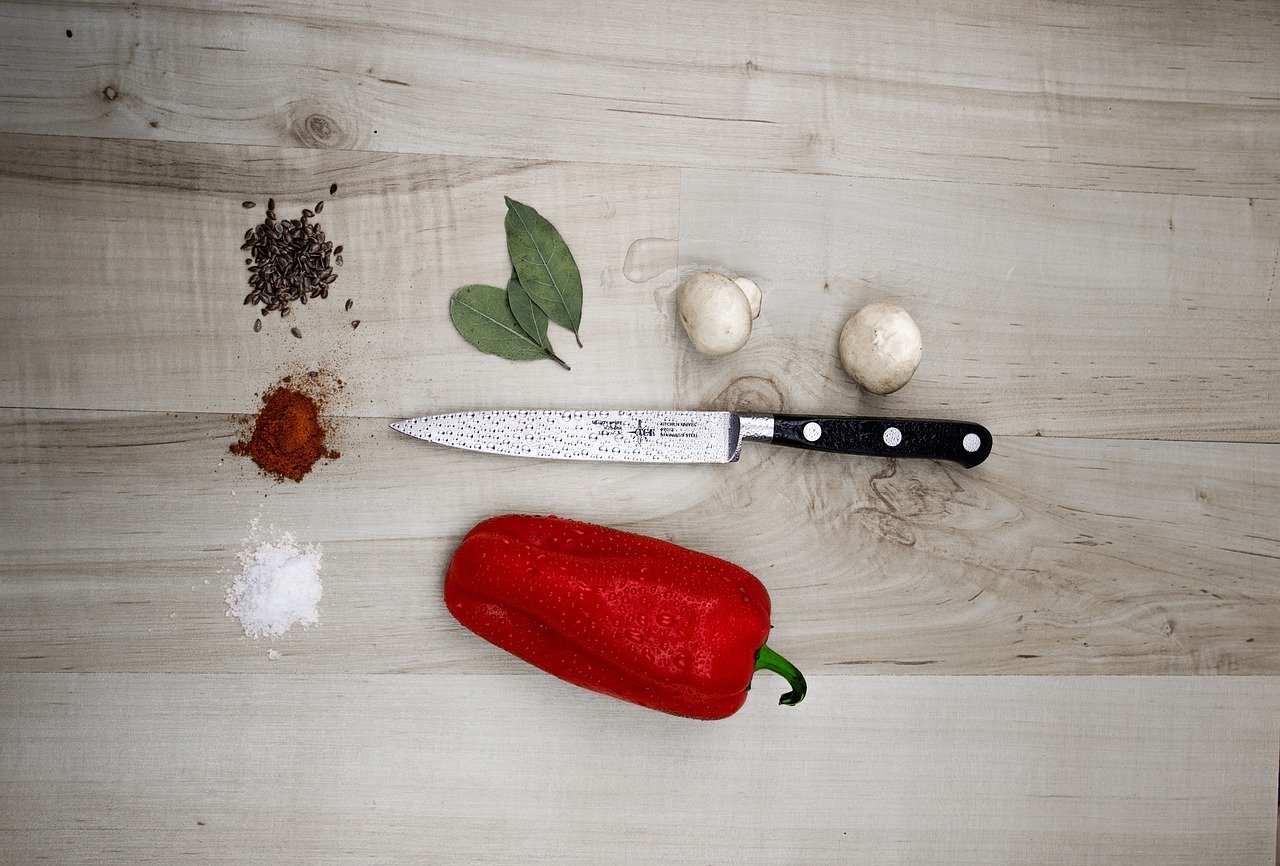
Before delving into the sharpening process, it’s essential to understand what knife sharpness is. Sharpness is defined by the edge’s geometry, including the angle of the edge and the smoothness of its surface. A sharper knife will require less effort to cut, allowing for cleaner and more precise slices.
Types of Knife Edges
Knives generally come with different edge profiles, which dictate the sharpening technique you should use:
- Straight Edge: The most common edge; a simple push-and-pull motion works best.
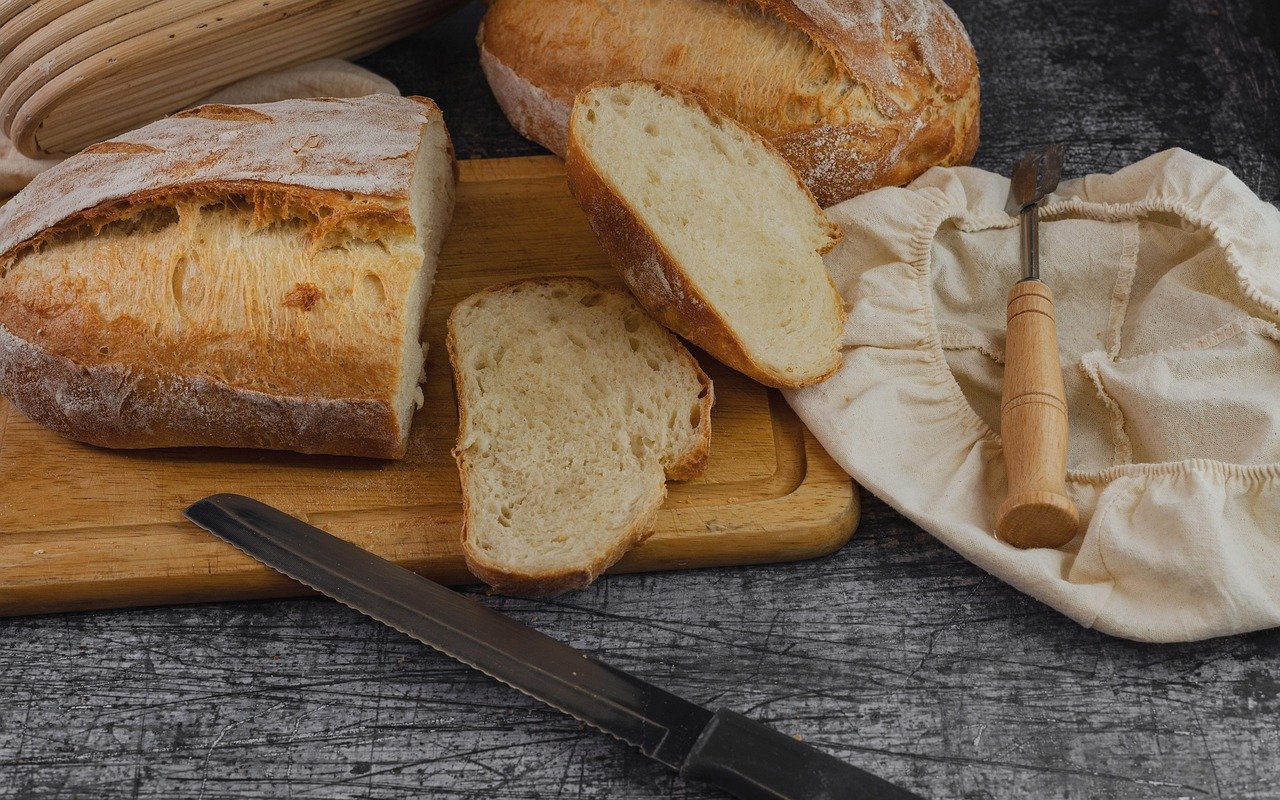
- Serrated Edge: Best sharpened with a specialized tool, as the scalloped design complicates traditional sharpening methods.
- Hollow Ground: Features a concave shape; requires a fine stone or honing rod for maintenance.
Essential Tools for Sharpening Knives
Using the right tools makes all the difference. Here are the essential items you should have:
1. Whetstone
A whetstone is a flat sharpening stone that is ideal for achieving a sharp edge. They come in various grits:
- Coarse Grit (200-400): Used for repairing damaged edges.
- Medium Grit (800-1000): Best for general sharpening.
- Fine Grit (3000-6000): Used for honing and polishing the edge.
2. Honing Rod
Often mistaken for a sharpener, a honing rod is used regularly to maintain knife sharpness between sharpening sessions. It realigns the edge rather than sharpening it.
3. Electric Sharpener
An electric sharpener offers a fast and efficient way to sharpen knives. However, it’s not suited for high-quality knives since it can remove metal quickly and may alter the edge profile.
4. Leather Strop
Stropping serves to polish the knife edge and align the microscopic teeth using a specialized leather strap.
The Sharpening Process
Preparing the Whetstone
- Soaking the Stone: For most whetstones, soak in water for about 10-15 minutes.
- Positioning the Stone: Place the stone on a non-slip surface or use a stone holder to keep it steady during sharpening.
Establishing the Right Angle
Maintaining the correct angle is crucial while sharpening. A typical angle for kitchen knives is 15-20 degrees:
- For a 20-Degree Angle: Hold the knife at about a 20-degree angle from the stone surface, approximately the thickness of the knife spine touching the stone.
- For a 15-Degree Angle: Hold the knife a bit more upright.
Sharpening Technique
Step-by-Step Guide
- Position the Knife: Start with the heel of the blade against the stone.
- Push Across the Stone: Draw the blade back towards you while pressing it down slightly. Make sure to cover the entire length of the edge. Repeat this motion 5-10 times.
- Alternate Sides: After working on one side, switch to the other, maintaining the same angle and number of strokes.
- Emphasize the Tip: Don’t forget to give extra attention to the tip of the blade, as it’s often the dullest.
Finishing Touches
Honing
Once sharpening is complete, use a honing rod:
- Position the Rod Vertically: Hold the honing rod upright.
- Swipe the Knife Edge: Angle the knife at around 15-20 degrees and swipe down the rod’s length, alternating sides. Repeat 5-6 times.
Stropping
- Prepare the Strop: Ensure the leather strop is taut.
- Draw the Edge Backwards: With the knife edge facing away from you, pull the knife across the strop to polish the edge. Repeat this 4-5 times on each side.
Maintenance Tips for Knife Sharpening
Regular Honing
After each use, simply hone your knife with a honing rod to maintain the edge. This reduces the need for frequent sharpening.
Cleaning Knives Properly
Always wash knives by hand with mild soap and avoid putting them in a dishwasher. Ensure they are dried immediately to prevent rust.
Storing Knives
Store knives in a way that protects the edge, such as using a knife block or magnetic strip, to avoid dulling from contact with other surfaces.
Common Mistakes to Avoid
Wrong Angle
One of the most common errors beginners make is sharpening at the wrong angle. Consistency is key; always strive for the same angle throughout the process.
Excessive Pressure
Applying too much pressure can remove too much material from the blade and damage it over time. It should feel more like a gentle glide across the stone.
Skipping Stages
Don’t skip grits when sharpening. Each stage serves its purpose, and neglecting them can lead to a subpar edge.
Finding a Sharpening Method that Works for You
Everyone has different preferences, which can dictate the choice of sharpening method. Experiment with various techniques, whether it’s manual sharpening, electric options, or guided systems. Consider your specific knives and their use cases when making your choice.
Professional Help
If you’re uncertain about your sharpening skills or have high-end knives, consider having them professionally sharpened. This not only preserves the integrity of the blade but can also extend its lifespan.
Adopting the right sharpening techniques can make a significant difference in how your knives perform in the kitchen. Follow this comprehensive guide, invest in quality tools, and practice routinely to sharpen your knives like a pro, ensuring precision and impeccable performance in your culinary adventures.