

Blade Sharpener Myths: Debunking Common Misconceptions
Understanding Blade Sharpening
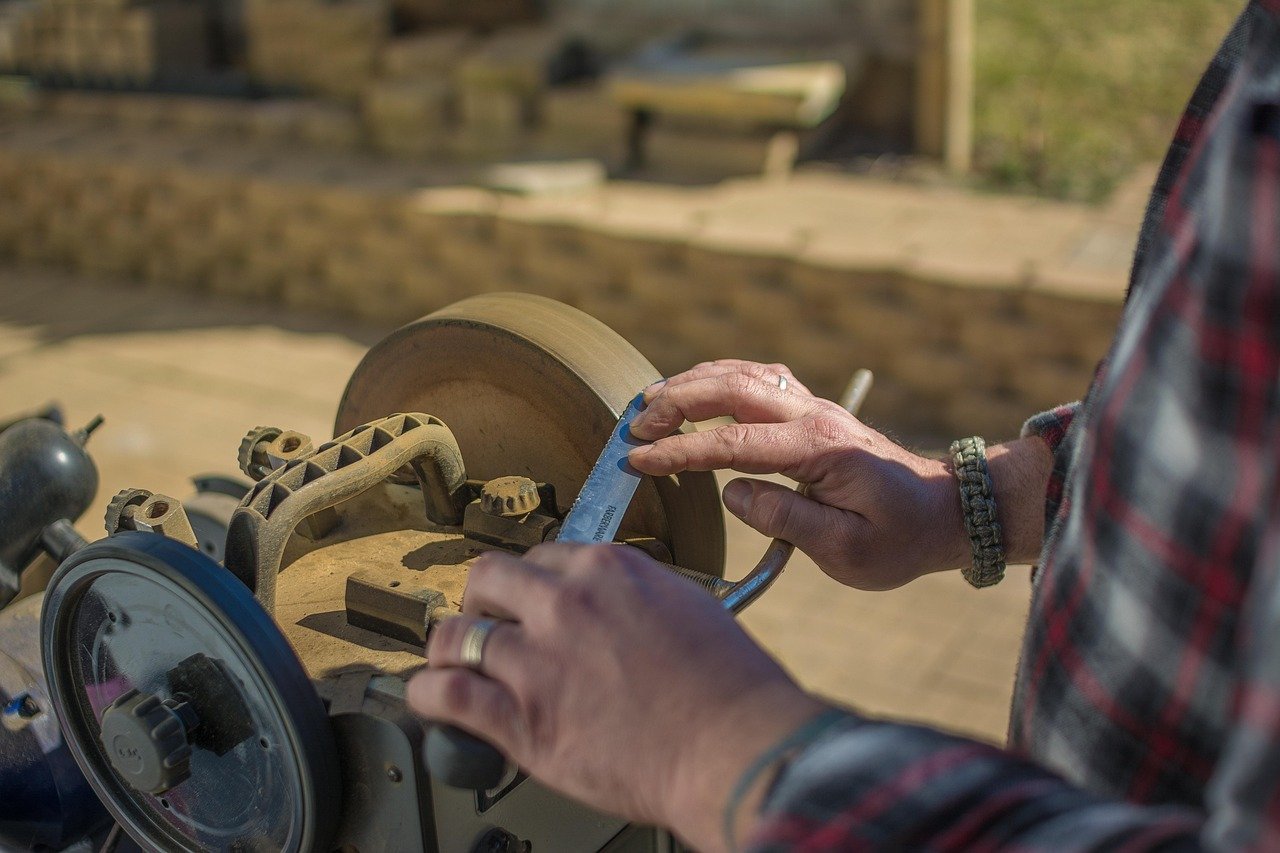
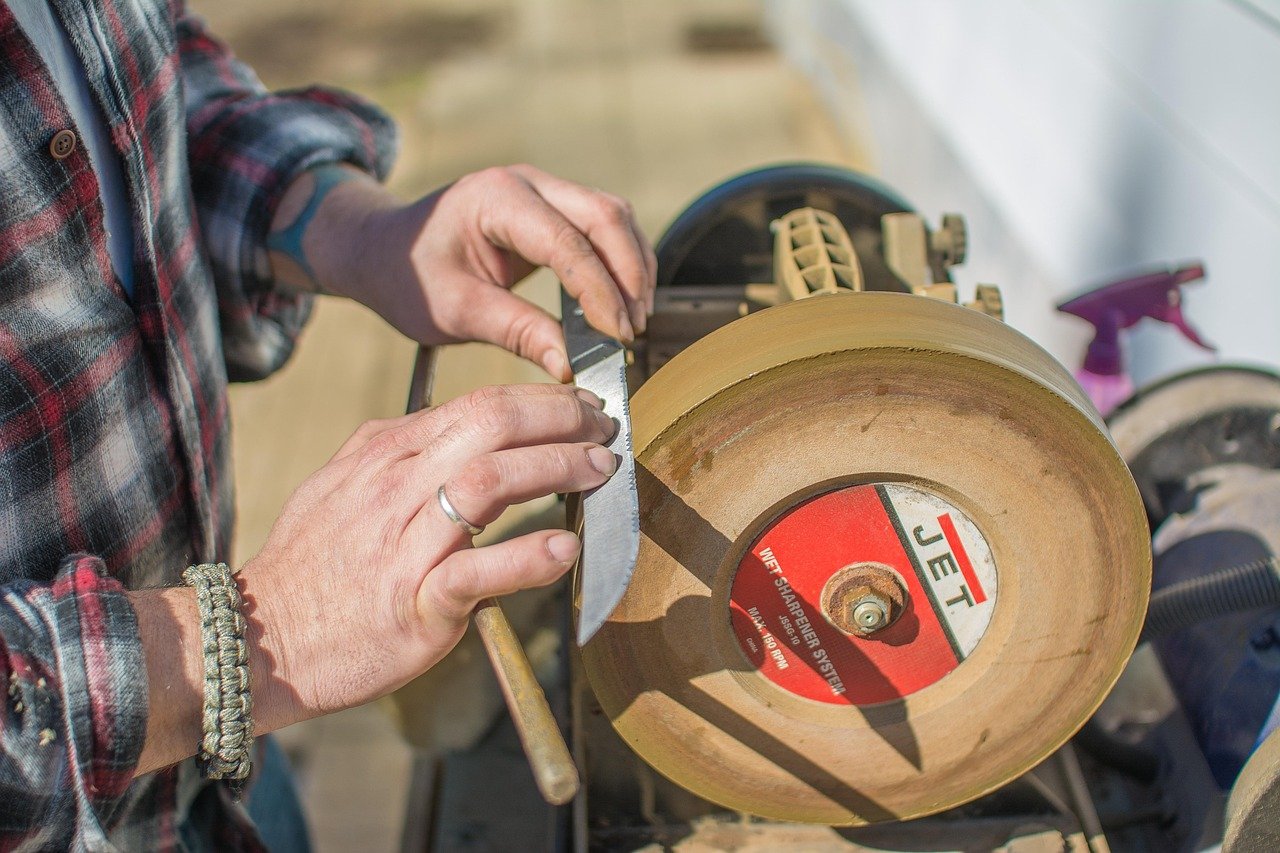
Blade sharpeners are vital tools for maintaining the performance of knives, scissors, and various cutting implements. Yet, the world of blade sharpening is often shrouded in misinformation and myths, which can lead to confusion and poor maintenance practices. Here, we debunk some of the most common myths about blade sharpeners, helping you to enhance your sharpening skills and preserve the life of your cutting tools.
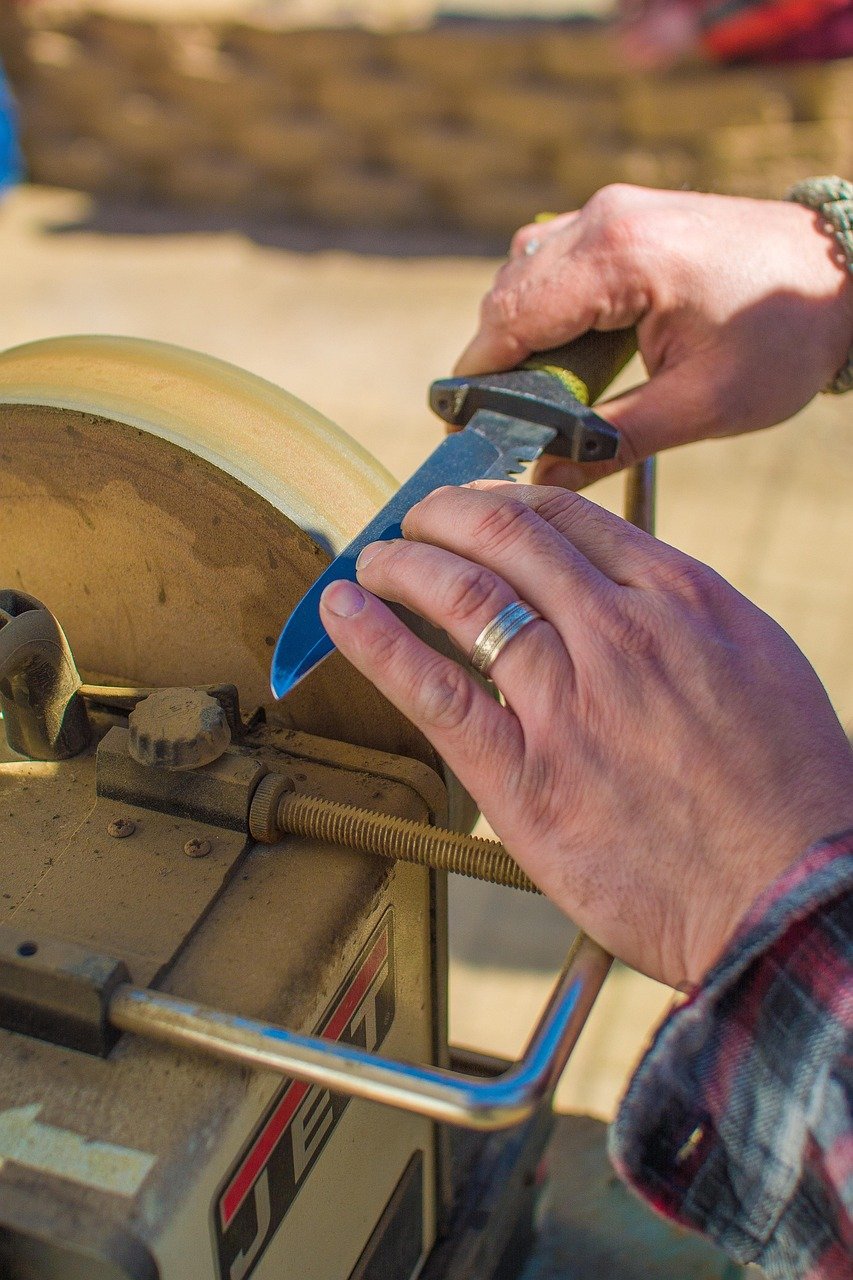
Myth 1: All Blade Sharpeners Are the Same
One prevalent misconception is that all blade sharpeners serve the same purpose. In reality, there are various types, each designed for specific tasks. Manual sharpeners, electric models, whetstones, and honing rods all have unique mechanisms and applications. For instance, whetstones provide a finer edge and are ideal for professional chefs who require precision, whereas electric sharpeners may be more suited for casual users focused on convenience.
Myth 2: You Should Always Use a Sharpener Before Each Use
Another common belief is that every blade necessitates sharpening before each use. This isn’t true. High-quality knives retain their sharpness for an extended period, and frequent sharpening can lead to unnecessary wear on the blade. Instead of sharpeners, using honing tools can help maintain the knife’s edge between sharpenings, extending the blade’s life and performance.
Myth 3: A Sharper Knife Is Always Better
While a sharp knife is essential for achieving clean cuts, a blade that is excessively sharp isn’t necessarily advantageous. An overly sharp edge can be more susceptible to chipping or dulling, especially when used on hard surfaces. It’s crucial to find the right balance of sharpness for specific tasks. Furthermore, a knife should be sharpened according to its intended usage, whether for slicing, dicing, or chopping.
Myth 4: Sharpening a Knife Changes Its Shape
Many people believe that sharpening a knife alters its shape over time. While it’s true that frequent sharpening can wear down the blade, proper sharpening techniques actually preserve the knife’s intended shape. When done correctly, sharpening involves refining the blade’s edge without affecting its overall profile. Invest in good sharpening practices to ensure your knife retains its original form.
Myth 5: Electric Sharpeners Are Easy to Use
Electric sharpeners are often hailed for their simplicity, leading to the misconception that they are foolproof. However, improper usage can easily lead to damaged blades. Users may apply excessive pressure or fail to align the knife correctly, resulting in an uneven edge. Understanding and following the manufacturer’s instructions is vital for anyone utilizing an electric sharpener.
Myth 6: You Need to Sharpen Every Type of Blade the Same Way
Many assume that all blades require the same sharpening technique, but this is a misconception. Different blades, such as serrated, straight-edged, or specialty knives, require tailored approaches. For example, serrated knives cannot be sharpened with traditional methods; they necessitate a specific type of sharpener designed for their unique serrated edges.
Myth 7: A Sharpened Knife Is Dangerous
While there’s a belief that sharpening knives makes them more dangerous, this is a misconception. A dull knife is far more dangerous because it requires greater force to cut through materials, increasing the chances of slips and accidents. A well-sharpened knife allows for more controlled and precise cutting, making it safer for culinary tasks.
Myth 8: You Don’t Need a Sharpener for Quality Knives
Some knife enthusiasts argue that high-end knives do not require sharpeners due to their superior materials. However, even the best knives require periodic sharpening to maintain their performance. The quality of the blade may delay sharpening intervals, but it does not eliminate the need. Regular maintenance is essential to uphold any knife’s functionality, regardless of its price tag.
Myth 9: Any Oil Can Be Used With Sharpeners
Many users believe that any type of oil will suffice when using oilstones or certain sharpeners. This is misleading; inappropriate oils can actually gum up the stone, hindering its effectiveness. It is important to use recommended honing oils or water (in the case of water stones) for optimal performance. Always consult the guidelines specific to the sharpening tool you are using.
Myth 10: You Can’t Sharpen a Blunt Knife
The belief that a severely dull knife is beyond help is a dangerous one. While it may require additional time and effort, even the bluntest knife can be restored to sharpness through appropriate sharpening techniques. Instead of discarding an old knife, consider investing time in sharpening it, utilizing tools like a diamond stone or professional grade sharpener.
Understanding Your Needs
When tackling wooden or synthetic materials with a knife, it’s crucial to understand your specific needs as a user. This directly influences your selection of sharpeners and techniques. For instance, a chef may prioritize versatility whereas a woodworker will need precision.
By debunking these myths, you equip yourself with the knowledge necessary for effective blade maintenance. Investing in the right tools and techniques ensures your knives not only stay sharp but perform optimally, ultimately enhancing your culinary experiences or craft projects.
Practical Tips for Blade Maintenance
Choose the Right Sharpener: Invest in a sharpener that suits your knife types—manual for finer sharpening and electric for convenience.
Hone Regularly: Use honing rods between sharpenings to maintain your knife’s edge and prolong its sharpness.
Learn Proper Techniques: Take the time to learn about the appropriate angles and techniques specific to your knives to avoid damage.
Clean Your Knives: After sharpening, ensure your knives are cleaned to remove any metal shavings that could cause rust or corrosion.
- Store Properly: Ensure knives are stored safely, away from moisture and in protective sheaths or blocks to avoid dulling their edges.
Embracing accurate information about blade sharpeners paves the way for better culinary and crafting experiences, fostering a greater appreciation for quality cutlery and the art of sharpening.