

Understanding the Basics of Blade Sharpening
Blade sharpening is an essential skill for anyone who uses cutting tools—whether for cooking, woodworking, or gardening. Keeping blades sharp not only enhances performance but also ensures safety. This beginner’s guide will introduce you to the various tools and accessories available for blade sharpening.
Types of Blade Sharpening Tools
Whetstones
- Description: Whetstones, also known as sharpening stones, come in a variety of materials including natural stones, synthetic stones, and diamond stones.
- Grit Levels: They range from coarse (200-600 grit) for damaged edges to fine (1000-8000 grit) for honing.
- Usage: To sharpen, soak the stone, position the blade at a 20-degree angle, and slide the blade across the stone in smooth, even strokes.
Honing Rods
- Description: Also known as sharpening steels, these are commonly used for regular maintenance of kitchen knives.
- Material: They can be made of stainless steel, ceramic, or diamond-coated materials.
- Usage: Hold the rod vertically and draw the knife across the rod from heel to tip, maintaining a consistent angle.
Electric Sharpeners
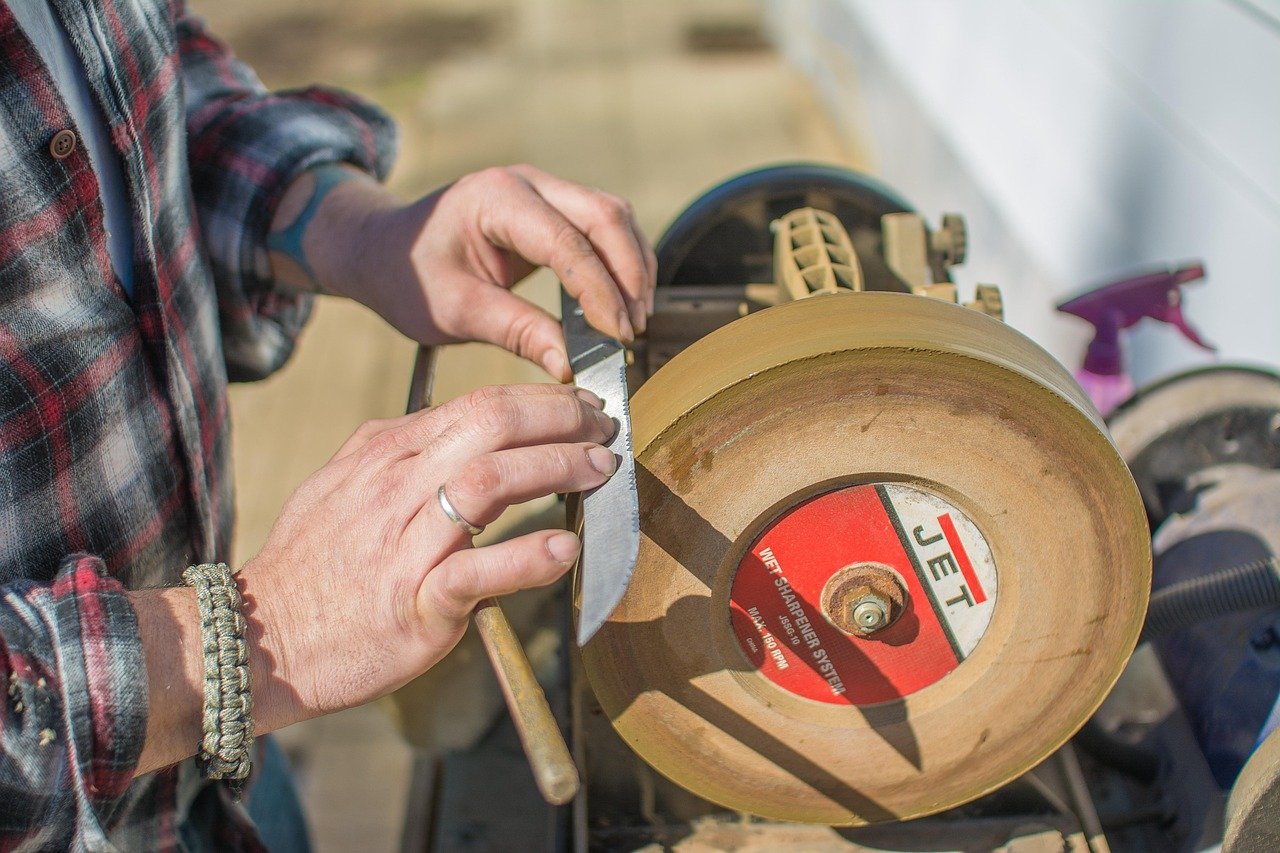
- Description: These machines use rotating abrasive wheels to sharpen the blades quickly and efficiently.
- Types: Some models have multiple stages for coarse and fine sharpening, while others are designed for specific blade types, such as serrated.
- Usage: Insert the blade gently into the slot, following the manufacturer’s recommended time for sharpening.
Pull-Through Sharpeners
- Description: These compact tools are designed for ease of use and portability.
- Design: They typically feature two slots—one for coarse sharpening and one for fine honing.
- Usage: Simply pull the blade through the designated slot a few times to achieve a sharper edge.
- Sharpening Jigs
- Description: Jigs hold the blade at a fixed angle while you sharpen, which is crucial for achieving a consistent edge.
- Application: Ideal for chisels, planes, and outdoor knives, these can be used with whetstones or sharpening systems.
- Benefits: Enables beginners to sharpen blades accurately without mastering the angle technique.
Essential Blade Accessories
Angle Guide
- Purpose: An angle guide helps novice sharpeners maintain the correct angle while using whetstones or honing rods.
- Adjustment: These are adjustable, allowing you to set the desired angle for different blade types effectively.
Leather Strop
- Function: A leather strop is used for honing the edge and removing microscopic burrs to achieve a razor-sharp finish.
- Usage: Apply a polishing compound to the leather, and draw the blade backward on the surface to polish the edge.
- Sharpening Compound
- Types: Available in various grits, these compounds can enhance the sharpening process when used with a strop.
- Application: Typically applied to a leather strop, it helps refine the edge to a razor-sharp finish.
Safety Tips for Blade Sharpening
Use a Stable Surface
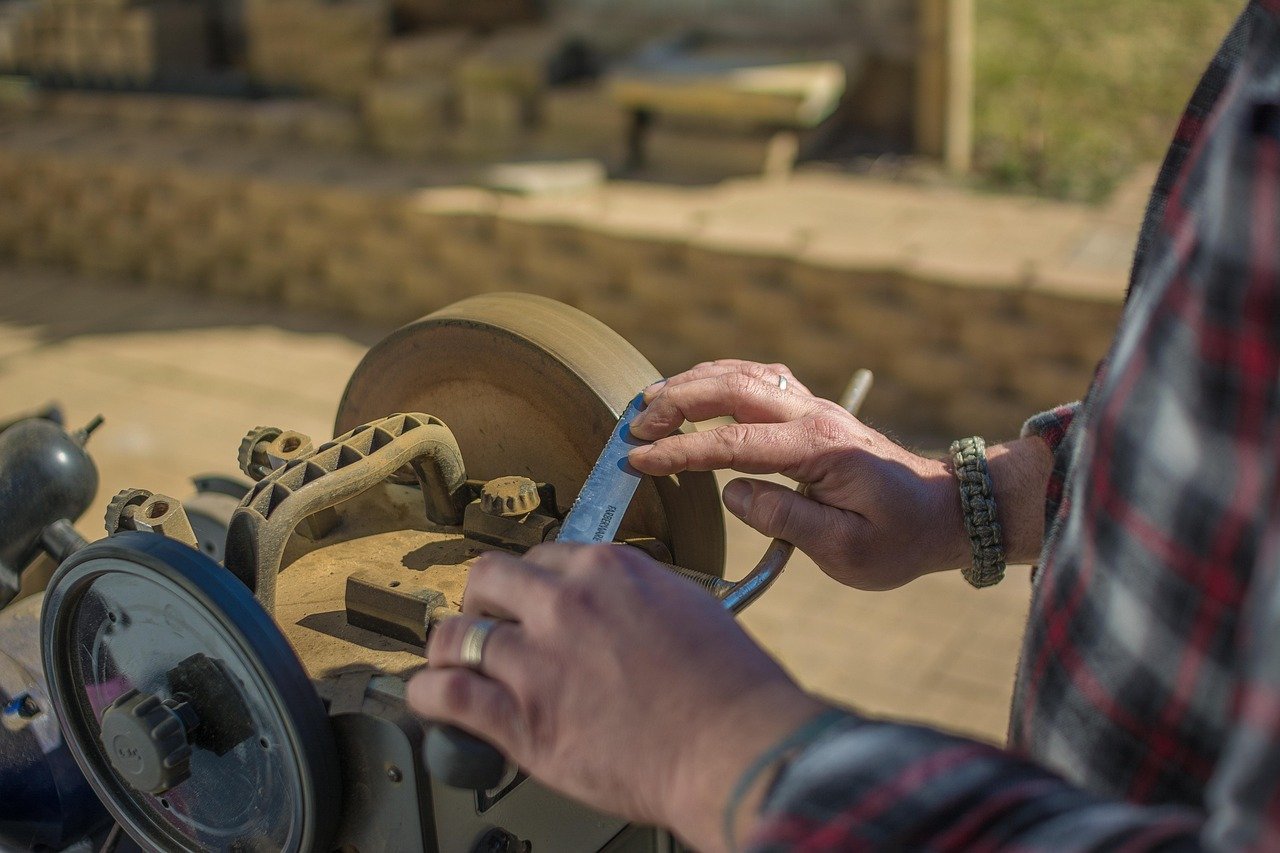
- Ensure your sharpening stone or tool is on a flat, stable surface to prevent accidental slips.
Wear Protective Gear
- Consider using cut-resistant gloves and safety goggles to protect yourself from potential accidents during sharpening.
- Keep Blades Away from Direct Paths
- Always point the blade away from your body while sharpening to avoid injury upon accidental slips.
Caring for Sharpening Tools
Cleaning
- Regularly clean whetstones and other sharpening tools to remove metal filings and grime for effective sharpening.
Storage
- Store sharpeners in a dry place to prevent rust and damage. It’s advisable to cover tungsten and ceramic steels to keep them free from scratches.
- Maintenance
- For electric sharpeners, refer to the manufacturer’s guidelines to replace belts or wheels when they become worn.
FAQ Section
How often should I sharpen my knives?
- The frequency depends on usage; professional chefs might sharpen daily, while home cooks may do so weekly or monthly.
What is the best sharpening tool for beginners?
- Pull-through sharpeners are often recommended for beginners due to their ease of use.
- Can I sharpen serrated knives?
- Yes, but you’ll need a specialized serrated knife sharpener, as standard methods won’t provide the necessary curvature.
Conclusion
Understanding blade sharpening tools and their accessories is crucial for maintaining the longevity and performance of your blades. Whether you’re using whetstones, electric sharpeners, or honing rods, each tool has its unique benefits and usage guidelines. Investing time in learning how to sharpen blades properly will enhance your craftsmanship and ensure greater safety in your activities.